
Under-eye bags can make your face look tired, older and less defined, even if the underlying cause isn’t obvious. Your under-eye bags are usually caused by a mix of lifestyle factors, skin changes and structural issues beneath your eyes, so it’s not always easy to reduce the appearance of your under-eye bags.
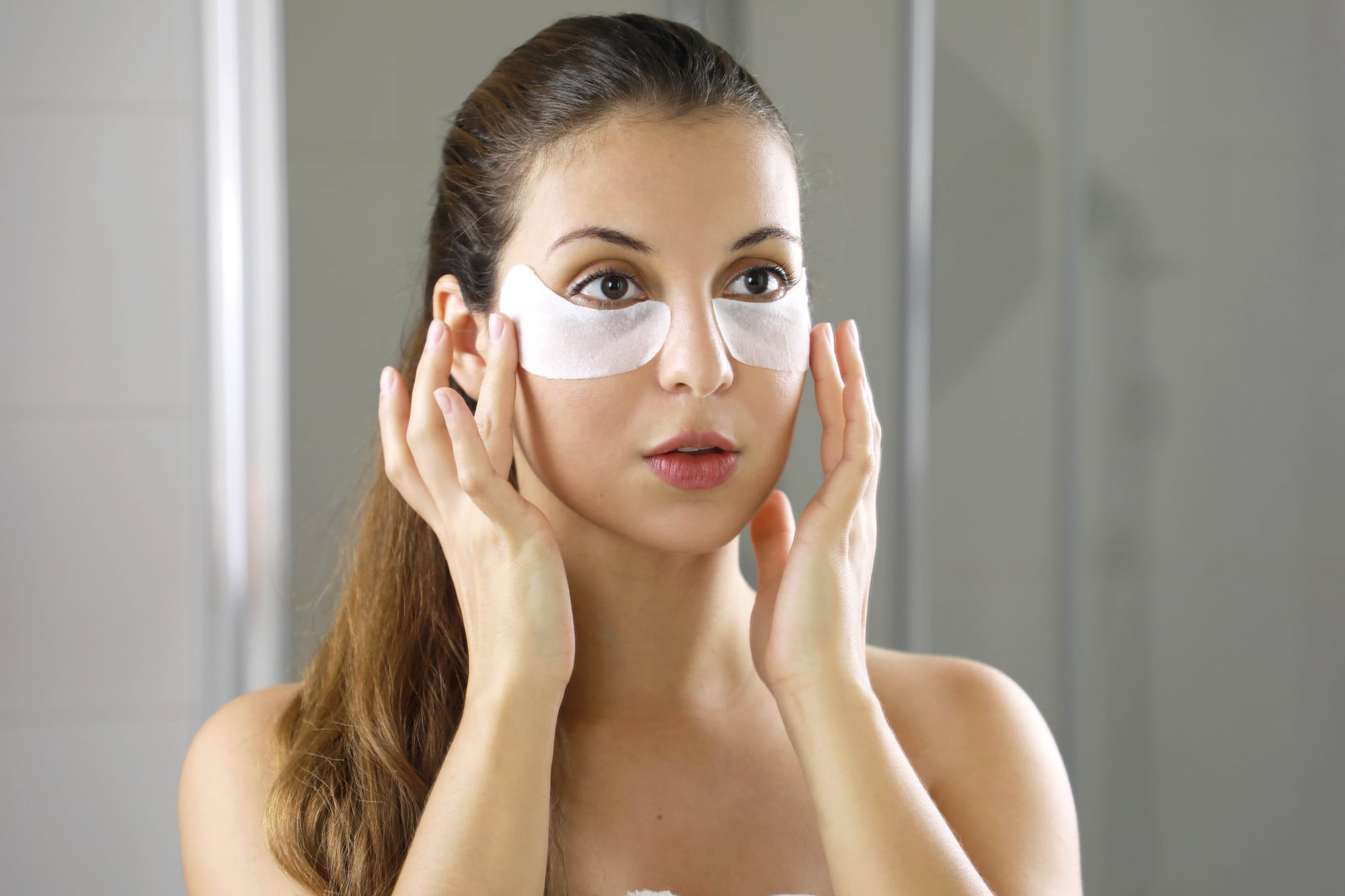
What Causes Under-Eye Bags In The First Place
Under-eye bags are usually a mix of your anatomy, aging and lifestyle. You are born with a certain structure around your eyes, so your genetic will influence how visible any fullness or shadowing becomes. If both of your parents have noticeable bags, you’re more likely to see them too.
Over time, aging effects weaken the supporting muscles around your eyes and thin the skin, so your tissue under your eyes doesn’t stay as tight as it used to. Fat can also shift downward, and tiny blood vessels may show through more, which makes bags look darker and heavier.
Your daily lifestyle habits can either slow or speed this up, like a high salt intake, drinking alcohol and smoking, they all worsen fluid retention and circulation.
Poor sleep quality makes your blood vessels dilate, and the fluid then pools underneath your eyes. If you’re dehydrated, your body holds onto water unevenly, exaggerating any puffiness, which makes your under-eye area look more deflated yet swollen.
Difference Between Puffiness And Fat Pads
Genetics, aging and your lifestyle habits all affect your under-eyes, but not every under-eye bag is the same thing. What you call “bags” could actually be temporary puffiness, or more permanent fat pads.
Under-eye puffiness is caused by swelling from liquid. It often changes day to day, and responds to lifestyle factors. Poor sleep quality, high-salt meals, alcohol and dehydration all worsen it, which is why your hydration levels and diet matter so much.
Plus, stress management also plays a role, because your stress hormones can also affect your fluid balance, and your sleep.
Fat pads are completely different, as they’re pockets of fat that become more visible with aging, as the skin thins and the support structures weaken. They don’t fluctuate much, from morning to night, and they won’t just disappear when you drink more water, or get one good night’s sleep.
Skincare Ingredients That May Help Reduce Under-Eye Bags
When you’re dealing with under-eye bags, the right skincare ingredients can visible smooth, de-puff and brighten your under-eye area over time. Make sure you focus on formulas that are designed specifically for the eye contour area, as this skin is much thinner and is more easily irritated.
You’ll see strong retinol benefits when you use a low-dose retinol eye cream, as it can boost cell turnover and collagen, helping to soften any fine lines that make bags look worse.
Look out for caffeine effects in eye gels or eye serums, as caffeine constricts blood vessels, and will temporarily reduce fluid retention, so your under-eye area looks flatter and more awake.
Also use eye contour skincare products containing hyaluronic acid, to draw water into the skin to plump crepey texture, which can then help to camouflage mild under-eye hollows.
Peptides are another great ingredient, as peptides support collagen and elastic, to improve the firmness under your eyes.
Lastly, vitamin K may help with any discoloration around your under-eye bags, which will make your under-eye shadows look less pronounced and the entire under-eye area appear smoother.
Non-Surgical Treatments To Improve Under-Eye Bags
There are in-office, non-surgical treatments which can target your under-eye bags more directly than using skincare alone, without giving you the downtime of surgery.
Dermatologists often use hyaluronic acid fillers to soften any hollows, and smooth the blend between your lower eyelids and cheeks.
When your puffiness comes from fat pads and lax skin, radio-frequency or ultrasound tightening can firm the area, and give you a subtly lift.
If you have pigmentation or crepey texture, it can make bags look worse, so fractional laser or gentle chemical peels can refine the skin, boost the collagen and brighten the area.
Microneedling with or without radio-frequency also improves the firmness and fine lines over multiple sessions.
All of these options work better when you combine it with better daily care, like smarter lifestyle changes, diet adjustments and better hydration to minimize fluid retention.