
Human hair wigs are a lot more expensive than synthetic wigs, so you want to make sure you look after them as carefully as possible with daily wear, product use, washing, styling and the storage. With poor maintenance, your human hair wig can end up looking like a synthetic wig, which you obviously won’t ever want.
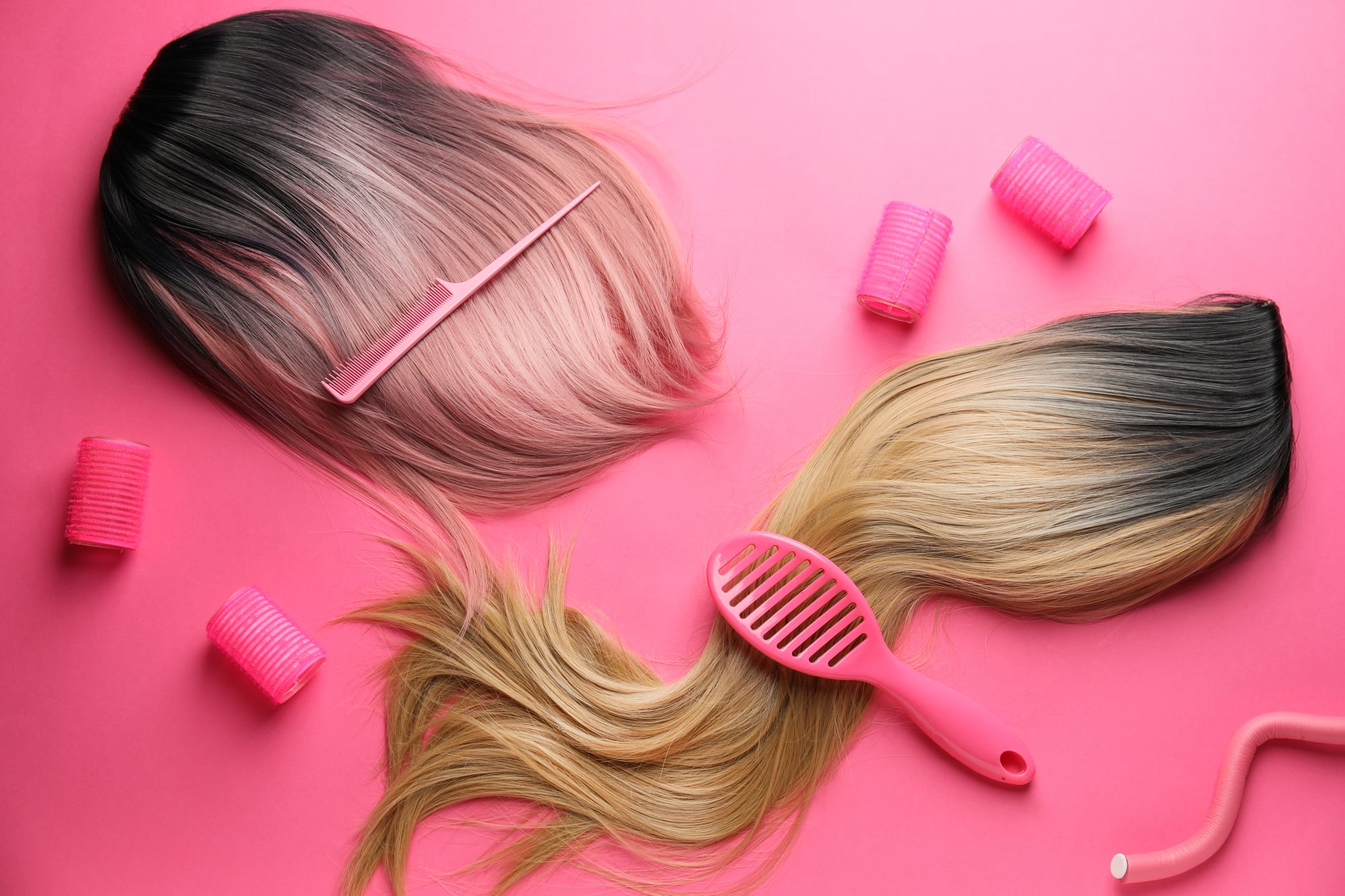
Common Issues To Look Out For With Human Hair Wigs
Human hair wigs can lose their “just installed” look quickly due to daily friction, product build-up and rough handling, turning the sleek strands into frizz and knots.
Always keep on top of tangles, especially at the nape of the neck and the ends, ensuring you’re doing gentle detangling with a wide-tooth comb and only using silicone-free slip products, so you don’t damage the hair at the roots.
When a human hair wig has heat damage, the hair will be both dry and stiff, and won’t hold its shape, especially after repeated flat ironing. You can reduce your heat damage by lowering the temperature on your flat iron, and limit how many times you pass the flat iron over each section of hair.
You want to prevent shedding by being gentle with the wig cap. Make sure you don’t yank when removing, avoid over-brushing, and secure combs and straps without causing stress on the individual wefts.
Color fading of your wig can happen if you overexpose the wig to UV light, hot hair tools or use harsh styling sprays, so ensure you’re always using heat protection products, and keeping the hair dyes to a minimum.
Poor styling techniques like tight ponytails, aggressive teasing or using heavy gels or products can end up flattening the volume, and weakening the fibers, which will shorten your wig’s lifespan fast.
How Often Should You Wash A Human Hair Wig?
It all depends on how often you wear your wig, the styling you do and also the environment. If you’re wearing your human hair wig daily, wash it every 7 to 10 wears, but if you wear it more occasionally, wash it every 12 to 15 wears.
Sweat, smoke, heavy product buildup and city pollution can all have an affect on your wig, so you’ll need to wash it more often, but with minimal styling, you’ll be able to wait longer between washes.
If you notice the human hair wig looking dull, feeling coated or starting to snag, it’s time to wash your wig. Use gentle wig care products that are designed for human hair, and avoid using any harsh clarifying shampoos (unless the build-up is stubborn).
When you’re doing regular (and not excessive) washing, it’ll help to maintain the human hair wig’s shine, improve the softness and prevent tangling, by removing any oils and residue that make the strands clump together.
How To Dry Your Wig Without Causing Damage
After rinsing out your shampoo and conditioner, you need to dry your human hair wig the right way to prevent tangles, frizz and unnecessary shedding.
Gently squeeze out the water in sections, but don’t ever twist or wring the hair. You can use a microfiber towel or a soft t-shirt to blot your hair or press onto the hair, rather than rubbing the hair, to protect the hair’s cuticle. This will keep the wig’s strands aligned and reduce potential damage.
Apply a lightweight leave-in hair serum to the damp hair, as a moisture retention method, focusing on the mid-lengths and ends.
Comb through your human hair wigs with a wide-tooth comb, starting at the tips and moving upwards.
For heat damage prevention, skip using higher heat temperatures and never blow-dry soaking wet hair. If you have to use a blow-dryer, always make sure you’re using a low heat setting with a diffuser and keep the blow-dryer moving, so you don’t damage any sections.
If you’re air drying, place your human hair wig on a ventilated wig stand, reshape the part and let it dry evenly, to keep it looking as natural as possible.
Best Way To Store Your Human Hair Wig Between Wears
Once your human hair wig is 100% dry, you need to store it the right way to keep the smooth finish, and prevent tangles, frizz and shedding between wears.
Place your wig on a wig stand or a mannequin head, so your wig cap keeps its shape and the parting will stay set.
If you don’t have a wig stand, you can always use a satin-lined wig storage bag to reduce friction and damage in storage.
Keep your wigs away from direct sunlight, heat vents and dusty shelves. If you live in a humid environment, store your wig in a cool and dry closet, and if you’re in a damp climate, you can tuck in some silica packets to limit swelling and odor.
When traveling with your human hair wig, you can secure the style with some loose hair pins, and pack it inside a protective case, which won’t crush or snag your wig whilst in your luggage.