
When you have curly hair, you need more than just a basic routine haircare routine. Texture, moisture balance and hair production selection are all important in preventing dryness, breakage and buildup.
If you don’t care for your curls, they can end up losing definition, strength and manageability. You need to make sure your curls are hydrated and you maintain a clean scalp, whilst protecting the hair shaft.
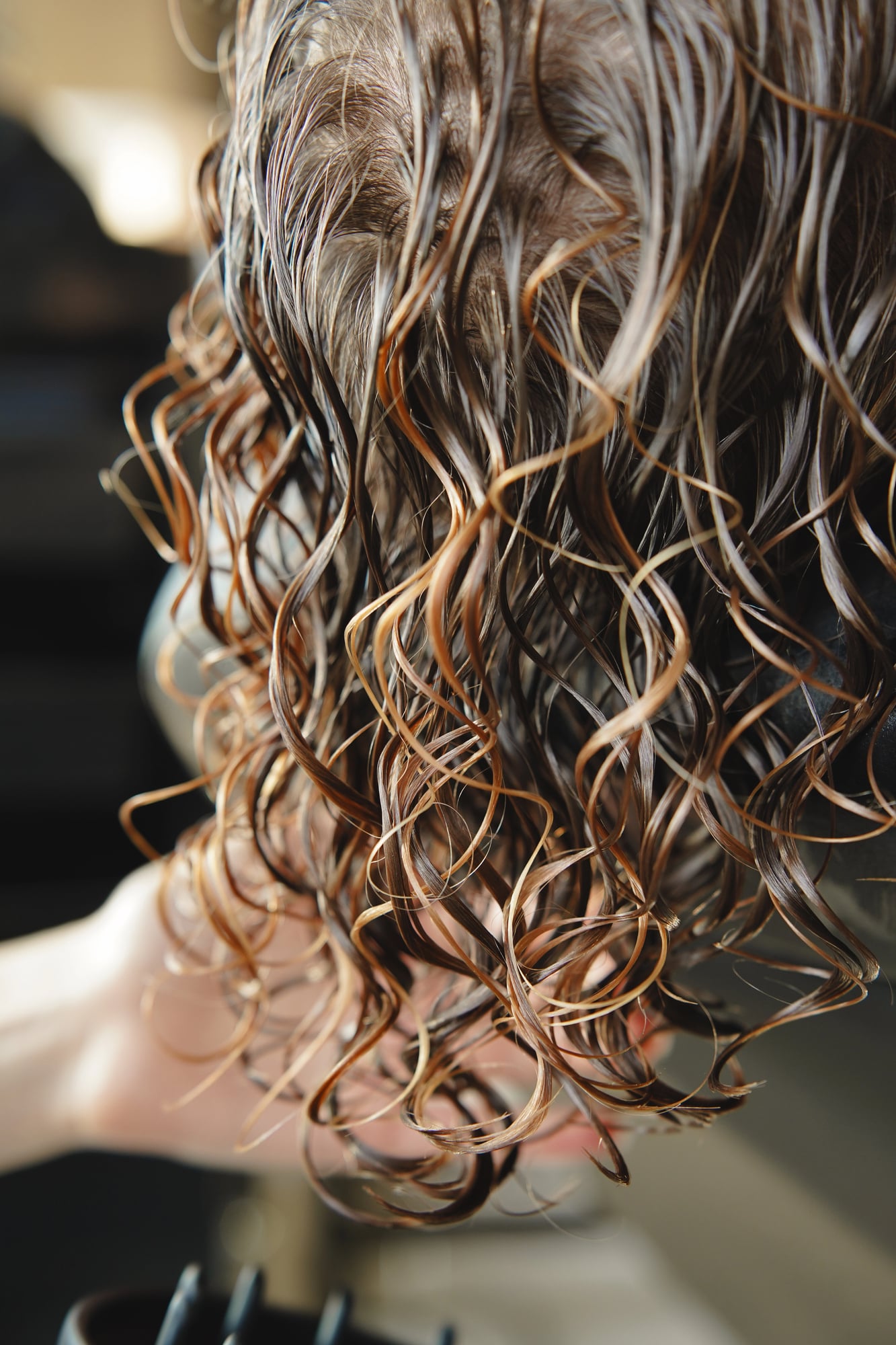
What Causes Dryness In Curly Hair
Curly hair dries faster, because the natural oils from your scalp have a harder time traveling down the twists, and bends of each strand. Less on the hair shaft means curly hair ends stay drier, and they end up being more fragile.
Chemical processing, like hair dye, chemical relaxing or using heavy heat can strip moisture from the hair, weakening the hair’s protective outer layer.
Over time, this leads to brittleness, and causes more breakage whenever you detangle or style your hair.
If you frequently wash your hair with sulfate shampoos, or use hot water, they remove the natural oils and moisture from the hair.
Even your daily hair brushing or rough towel-drying can lift the hair’s cuticle, and let the moisture escape.
Environmental factors also affect curly hair, with sun, wind, dry indoor air and hard water all pulling moisture out of your curls.
You might not notice the damage right away, but it does build up over time, and makes your curls more coarse and frizzy.
Why Breakage Happens And How To Prevent It
Curly hair breaks mainly because it’s drier and more fragile than straight hair. Twist and bends in curly hair makes the natural oils travel slowly down the hair shaft, so the strands lose moisture, then snap when they’re stretches.
The most common causes are dryness, heat damage, rough detangling and product build-up. They all add up, and weaken the hair cuticle, or the inner bonds of the hair, increasing the breakage risk.
You can prevent hair breakage with a simple curly hair haircare routine. Use gentle, sulfate-free cleansers and condition often, to restore the moisture. Deep condition or use a leave-in conditioner weekly, to keep your hair flexible.
When you’re detangling your hair, use a wide-tooth comb or your fingers, whilst your hair is wet and coated in conditioner. Work from the ends to the roots, trimming your split ends regularly to stop the damage from traveling up the hair.
Limit how much heat you use on you curls, and always use heat protectant whenever you style. Choose the lower-heat settings you can, and avoid blowdrying or flat-ironing your hair every single day.
Check your haircare products, to ensure they’re not loaded with heavy silicones, waxes or drying alcohols, as they can all cause buildup.
Truth About Product Buildup On Curls
Product buildup happens whenever the residue from styling creams, hair oils, silicones or hard water minerals stick to your hair and scalp. Over time, this layer sits on the cuticle and between the coils, weighing curls down and making them looking dull.
You can easily tell the difference between buildup from dryness, as buildup makes your hair feel sticky or coated, and it causes water to bead-up on the strands. Dryness makes your hair feel rough, straw-like and brittle, even after using conditioner.
Product buildup can block moisture, and slow down product absorption, leading to limp, frizzy or breaking curls. It can also mean your shampoo won’t lather well, and leaves your scalp feeling clogged or flaky.
To manage potential build-up, occasionally use a gentle clarifying shampoo or an apple cider vinegar rinse.
How To Choose The Right Shampoo For Curly Hair
Choose a shampoo that is going to clean your hair, without stripping your curls. Curly hair needs moisture, so look for gentle and sulfate-free shampoos that will remove dirt, but keep your natural oils.
Check the ingredients list for hydrating components, like glycerine, panthenol and natural oils. Avoid the heavy silicones that cause buildup, choosing water-soluble silicones, if you want smoothing without the residue.
Match your shampoo to your curl type and hair concerns. If your curls are dry/damaged, choose a moisturizing or strengthening formula. If you get greasy roots, but dry ends, use a mild cleanser and follow up with a rich conditioner on the lengths.
Use your clarifying shampoo sparingly, so it removes all product build-up. Using a gentle clarifier every 2 to 6 weeks usually works well, as frequent clarifying can lead to extra dryness, which you definitely want to avoid.