
Spider veins can become gradually more noticeable, affecting the overall appearance of your skin. Spider veins are common, and often harmless, but their appearance on the legs or the face can feel frustrating and like they’re difficult to manage. There are things you can do to reduce how visible they are…
What Are Spider Veins And Why Do They Appear
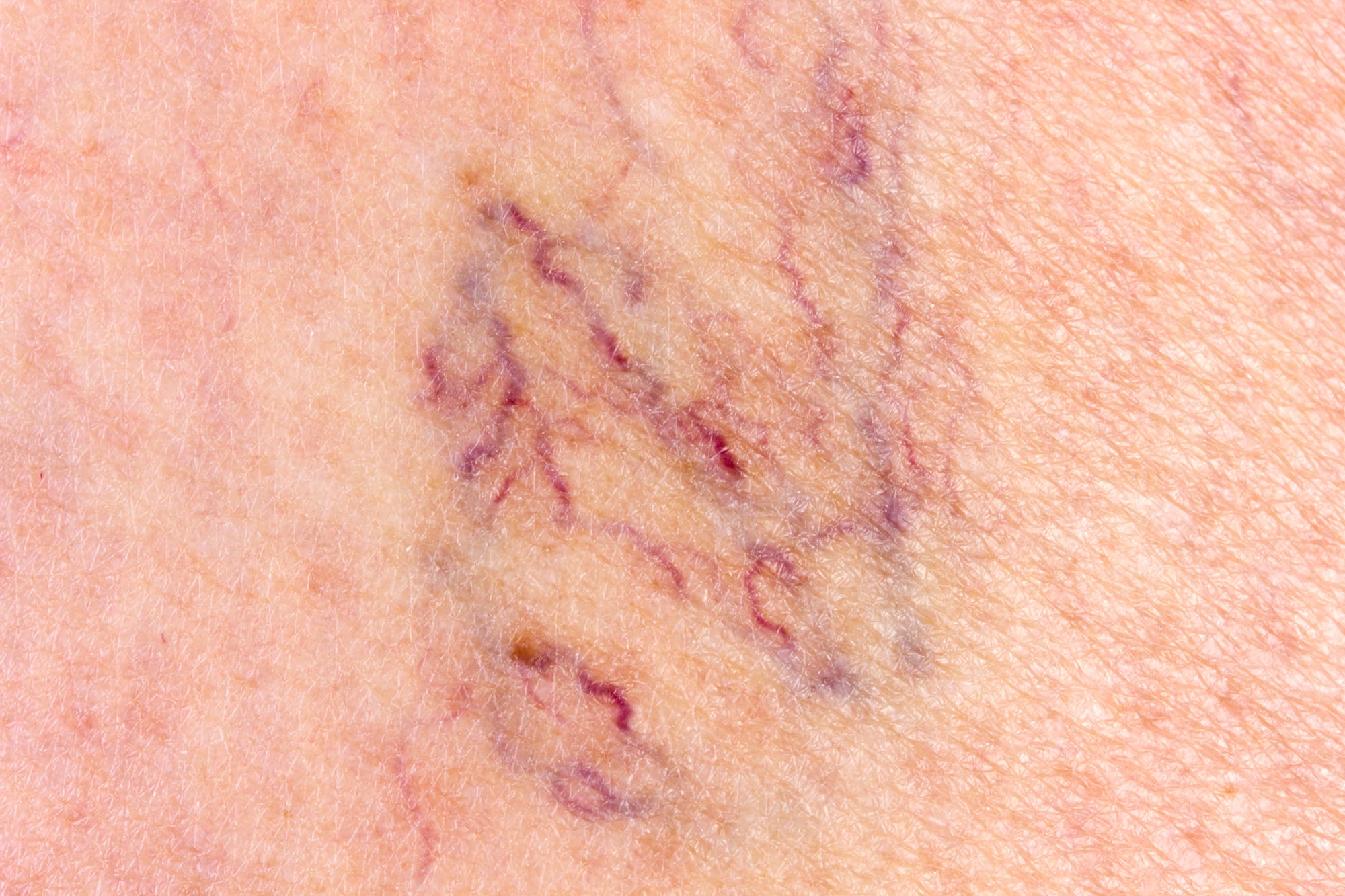
Spider veins are small and damaged blood vessels that sit just under your skin. They often look red, blue or purple, and they form thin web-like patterns called “telangiectasias”.
You most commonly see spider veins on your legs, especially your calves, ankles and thighs. Spider veins on your legs happen when the tiny surface veins dilate, and they then become visible through the skin.
Vein walls vein valves weaken with age (or your genetics), letting blood pool and pushing the vein outwards.
If you stand or sit for a long period every time, it increases the pressure in your leg veins. This extra pressure can then speed up valve wear, and make new spider veins appear.
Common Causes And Risk Factors To Be Aware Of
When the surface veins lose elasticity, or their one-way valves weaken, spider veins begin to form. When valves fail, blood pools and pressure rises, making veins widen and become more visible under your skin.
If a family member has spider veins or a venous disease, your risk for spider veins go up. Being female and hormonal changes from pregnancy or birth control also raises your sick of getting them.
Age and injuries also matter. As you get older, the vein walls start to thin and the valves weaken. Past leg surgery, trauma or skin damage can make local veins more likely to break.
Difference Between Spider Veins And Varicose Veins
Spider veins are small and thin lines that sit close to the skin, and they’re usually red, blue or purple. They rarely bulge and usually don’t cause any pain. I have red spider veins on my face, on the sides of my nose, and they appeared pretty much when I hit my early 30s.
Varicose veins are larger, swollen and twisted veins that often bulge above your skin.
You may feel achy, heaviness or throbbing in the area, as varicose veins can lead to swelling, skin color changes and sores if left untreated. Both can stem from weakened/damaged vein valves that left blood pool.
Skincare Ingredients That May Improve Skin Appearance
There are topical ingredients which can reduce redness, strengthen your capillaries and make spider veins less visible. Look for skincare products that contain Vitamin K, horse chestnut or arnica, to support your vessel health and calm your skin.
Vitamin C and retinol both boost collagen, and improve the skin’s texture. Stronger skin can hide small veins better, and feel firmer over time.
Anti-inflammatory skincare ingredients, like niacinamide and azelaic acid can help to soothe irritation and reduce any skin redness.
Professional Treatment Options To Consider
One professional treatment that is effective for treating spider veins is sclerotherapy, where a solution is injected into the small veins.
When this is done, the veins collapse, and begin to fade over weeks, and it said to be effective for many leg and facial spider vein issues.
Laser treatments are a non-invasive option for fine surface veins. Lasers deliver focused light, to seal the blood vessel, without using needles.
For larger or more symptomatic veins, consult a vascular surgeon or a vein specialist. They can check if you have deeper vein pressure causing your spider veins, and can recommend targeted vein treatments.
Some clinics recommend combining methods for the best results, for example sclerotherapy plus lasers can address the different vein sizes, all in one plan.