
Having your nails split is beyond annoying. You’re trying to grow out your natural nails, and as soon as you start to get some decent length, you notice a split and have to start all over to grow a healthy nail. There are multiple reasons why nails can split, and some things we can try to fix nails that prone to unwanted splitting.
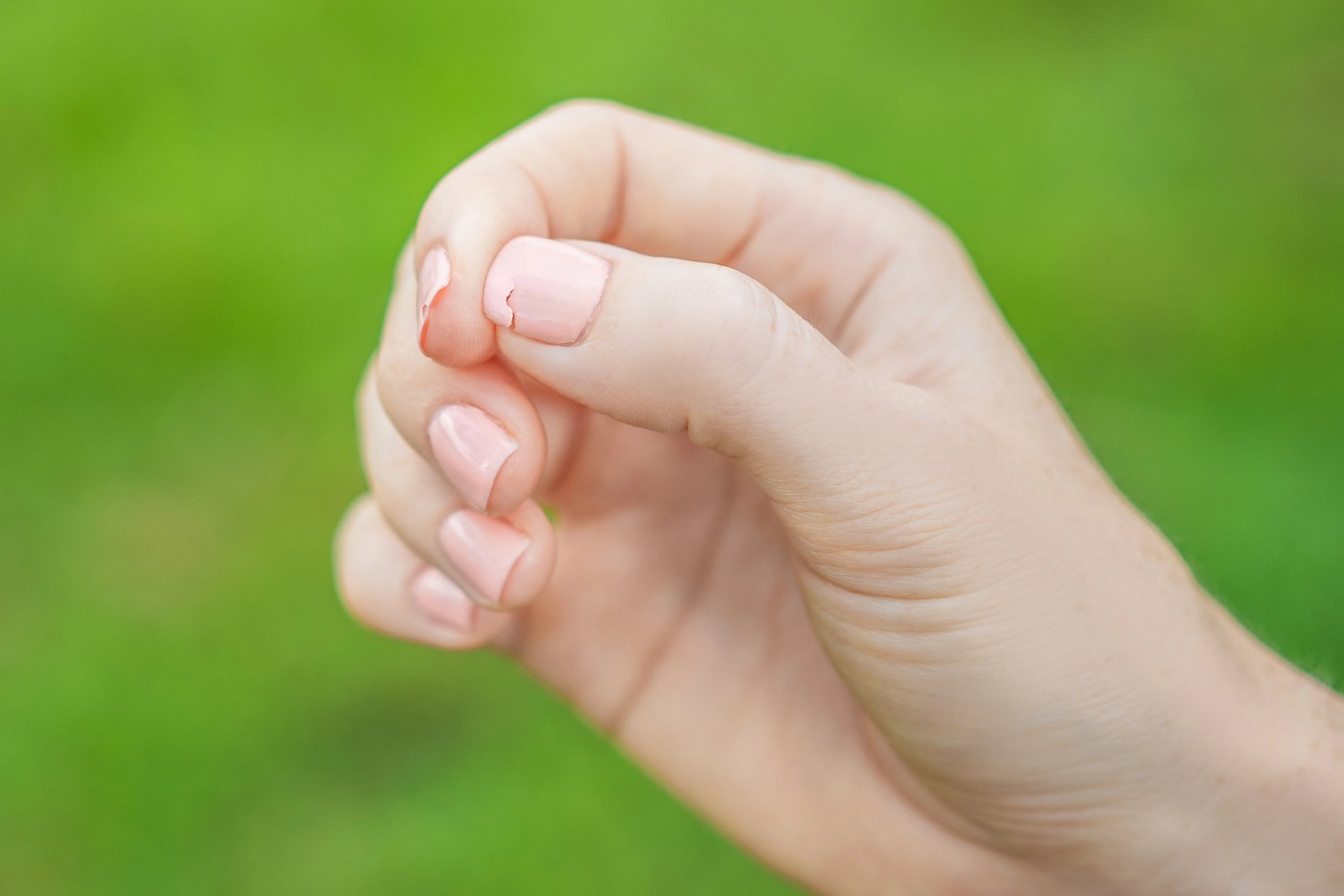
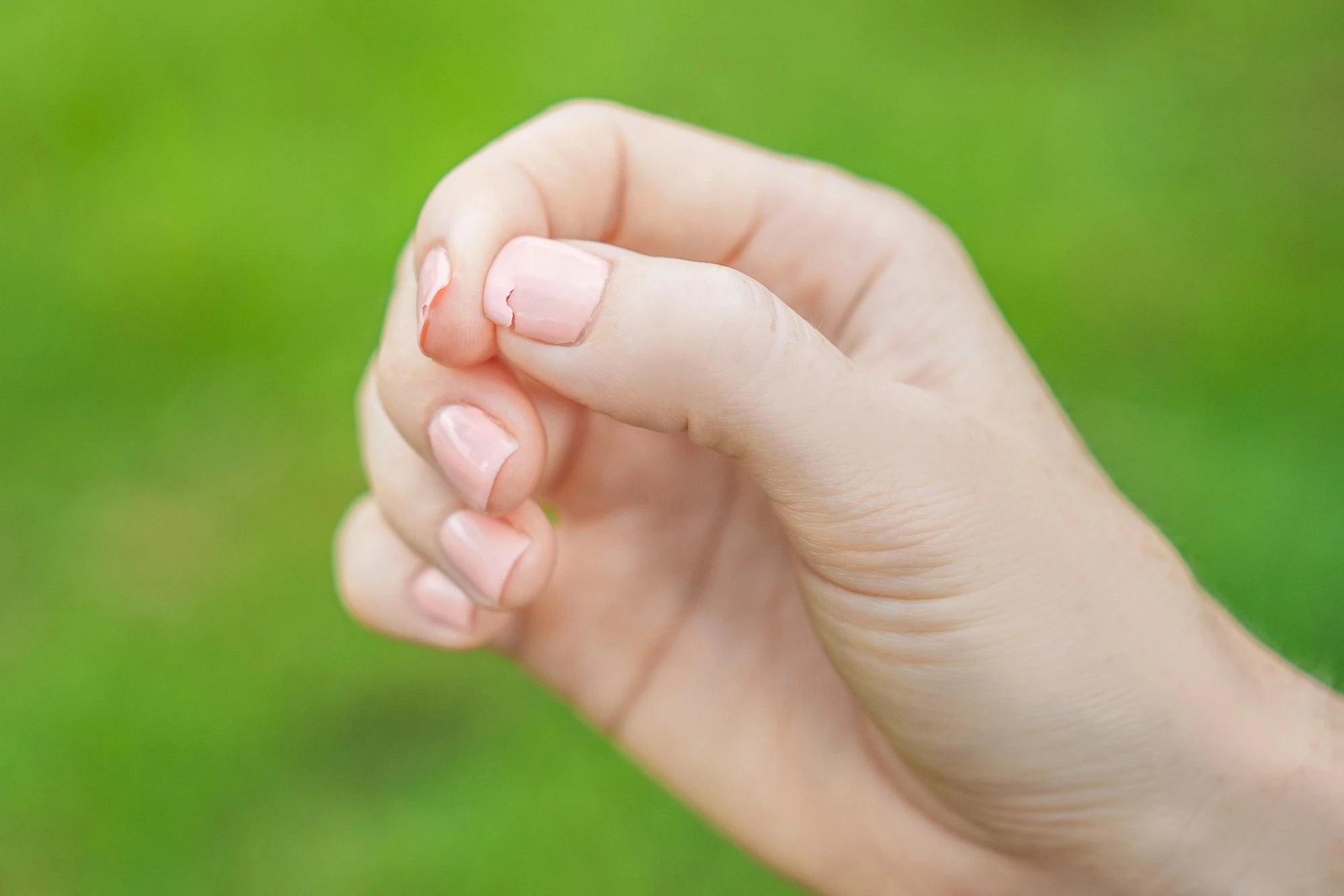
Why Nails Split In The First Place
Although they look simple on the surface, your nails are layered structures of keratin that can split whenever those layers weaken or separate.
Different things affect weakness with the nail, like nutritional deficiencies (especially low iron, protein, biotin or essential fatty acids) can affect normal keratin formation.
Frequent handwashing, harsher hand soaps and cold air all strip natural oils from your nails, which ends up leaving them dehydrated.
Having a lack of nail care routine can cause tiny cracks in the nail, including roughly filing your nails, aggressive manicures, or picking your nail polish (never do this). These tiny cracks end up widening over time, which causes the visible splits.
Excessive exposure to water, detergents and solvents all also erode away your nail’s strength.
Difference Between Peeling, Cracking, And Splitting Nails
Nail damage includes peeling, cracking or splitting.
Peeling nails is when thin surface layers within the nail lift or flake away, usually caused by repeated water exposure, harsh products or a weak nail anatomy.
If your nails are cracking, you’ll see fine and shallow lines which don’t go all the way through your nail, and cracks are caused by dryness or dryness.
When it comes to splitting nails, it’s when your nail separates into sections (either lengthwise or across), and they can snag, or break painfully.
Best Way To File Split Nails Without Making Them Worse
If you’ve got a split nail, using a nail file can stop the damage from progressing, or make the crack even deeper.
Always be gentle when filing your nails, and never saw back and forth with your nail file, and always work in just one direction, from the outer edge of the nail to the center, with a fine-grit nail file, or a glass nail file.
Soft and rounded nail shapes, like oval or squoval, are a good nail shape choice, as they reduce the chance of catching your nail.
When using your nail file, support the fingernail from underneath, to avoid the nail flexing and becoming damaged.
Never over file your nails – only use your nail file when the edges of your nail feel rough or snag. If you use a nail file more often, it’ll only weaken your nails.
How To Moisturize Your Nails And Cuticles The Right Way
As I mentioned above, dry and brittle nails are more likely to split, so keeping your nails and cuticles (and hands) moisturized will help you to prevent further nail damage.
Choose hand creams or cuticle oils with moisturizing ingredients like glycerine, urea or hyaluronic acid, to hydrate the nail plate, and you can then seal the moisture in, by using richer creams or balms. I personally like to use lightweight hand creams throughout the day, but I then use a more intensive hand cream overnight, as it has longer to fully absorb.
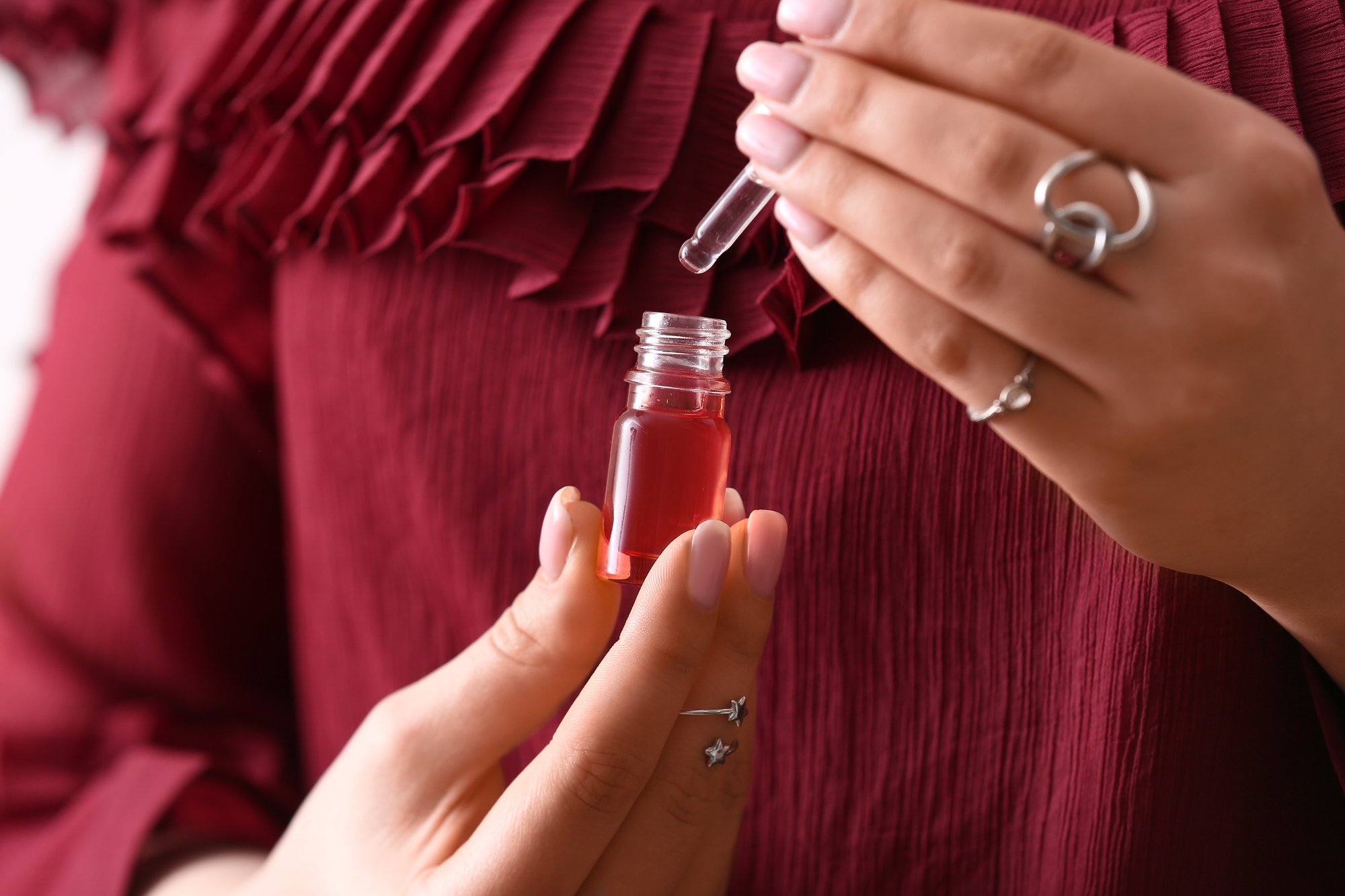
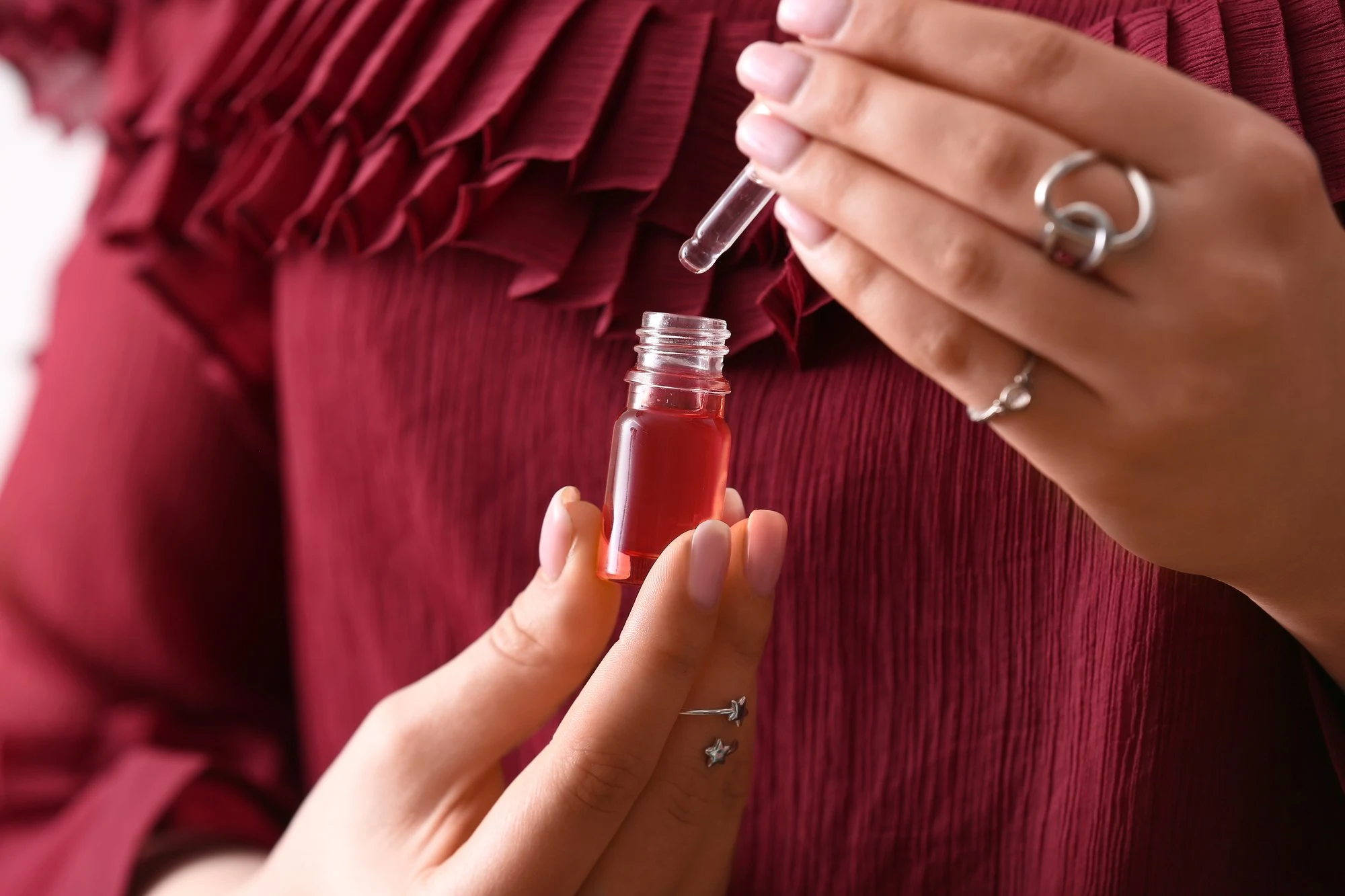
Make sure you’re massaging cuticle oils (containing jojoba oil, vitamin E or sweet almond oil) into each nail and the surrounding skin, for at least one to two minutes. This boosts circulation and flexibility within the nails.
For extra hydration, you can try using gently warmed olive oil or coconut oil, and soaking your fingers in the oil for five to ten minutes, followed up with a thick, hydrating hand cream or hand balm.
How To Protect Your Nails During Cleaning, Dishwashing, And Workouts
You can’t avoid cleaning, washing the dishes or working out, but there are tips we can follow to protect our nails.
When cleaning in your home, with detergents, hot water or chemicals, choose lined cleaning gloves, so the chemicals can’t penetrate your nails.
Opt for gentler dishwashing techniques, like using cooler water, diluted soap (when possible), and softer cleaning sponges instead of abrasive cleaning pads or scourers.
Keep your nails shorter and smoothly filed, so they’re less likely to catch (as I mentioned above).
When working out at the gym, wear padded lifting gloves, and never use your nails to unclip or adjust your equipment.
How To Handle Split Nails With Polish, Gel, Or Acrylics
When you spot a split appearing on one of your nails, you might want to try and hide it with a layer of nail polish or gel/acrylic.
If you’re going to use nail polish, use a gentler nail polish formula, like a more breathable or low-toxin polish formula, and avoid using acetone when removing your polish.
When using gel on your nails, ensure the layers of gel are thin, and you’re capping the free edge to prevent further splitting, and soak off the gel for removal, never scrape the gel off.
For acrylic nails, you want minimal nail filing, with no aggressive roughening, and between sets, use nail health products like cuticle oils, hydrating creams and strengthening nail treatments to help boost your nail’s flexibility.