
Acne is a frustrating skin condition to manage. There are many different causes of acne, and many of them are factors we can’t even control, like hormones and the environment.
Many people rave about different skin treatments on social media, as being the ultimate fix for acne, but rarely do they actually help. Hydrafacials are said to be a super beneficial for treating acne, and I’m going to explain what they are, and whether they can genuinely improve facial acne issues.
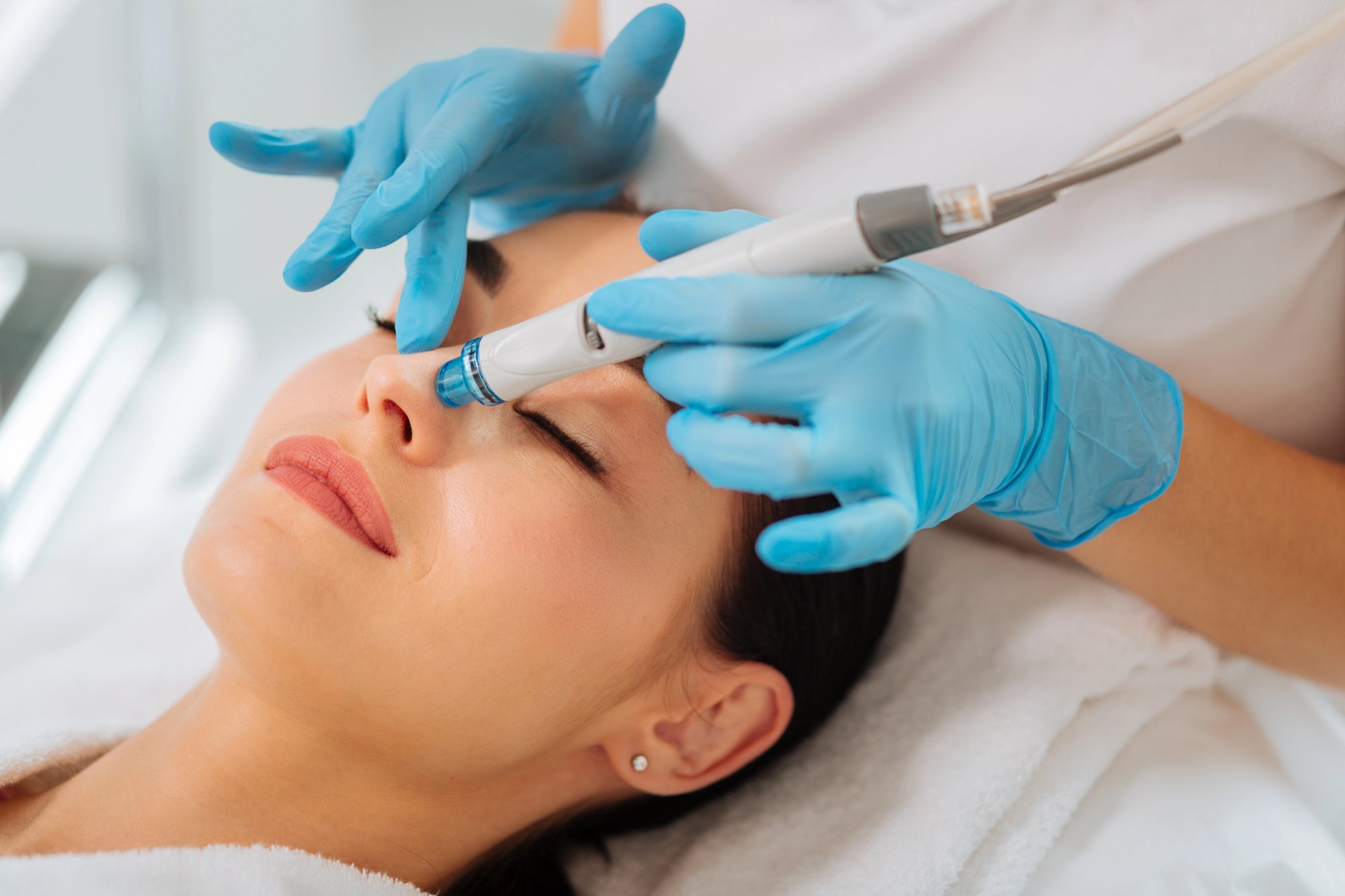
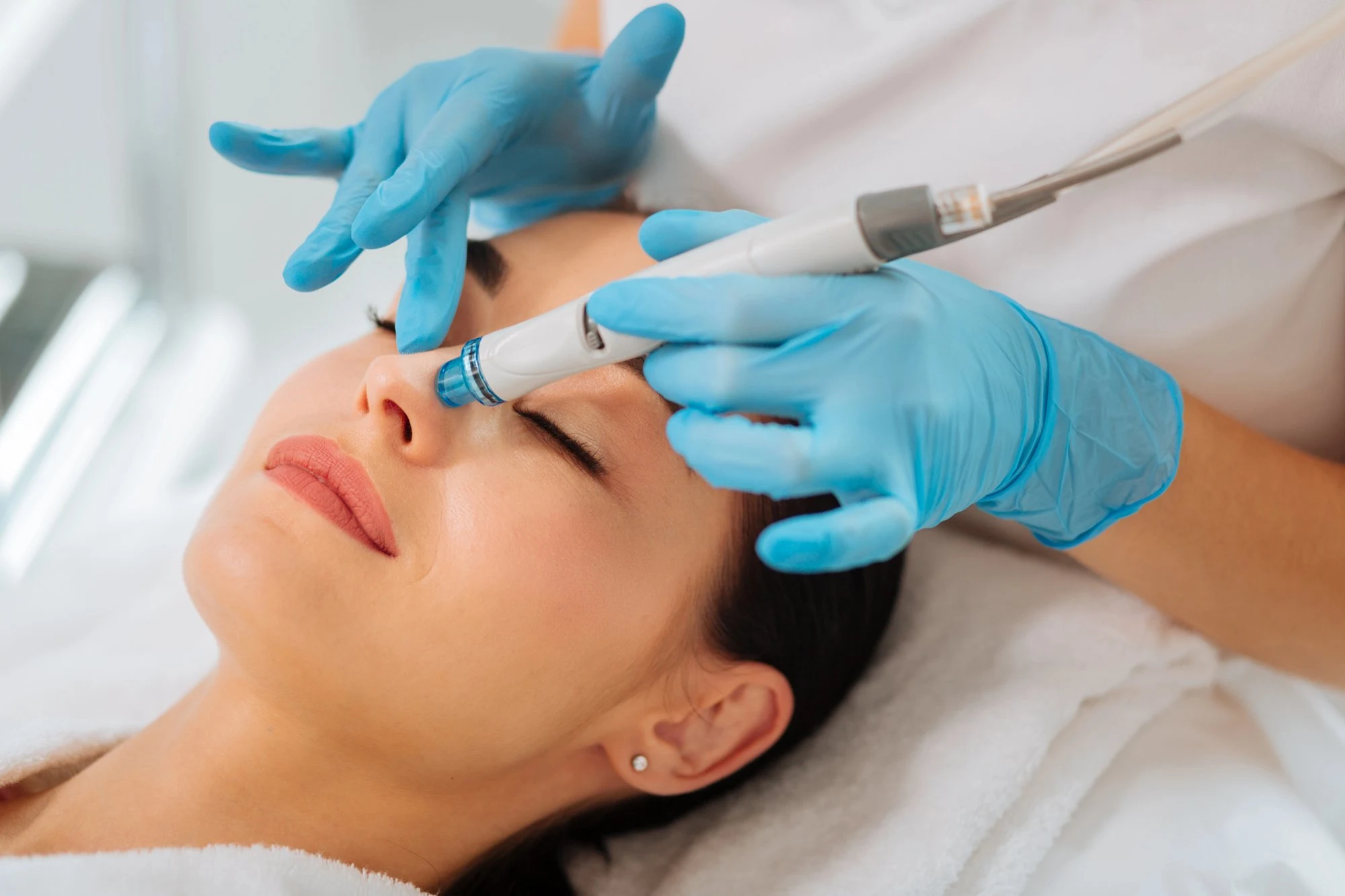
What Is A Hydrafacial Skincare Treatment?
A hydrafacial is a non-invasive facial treatment, which is designed to cleanse your skin thoroughly, life away any dead skin cells, clear away pore buildup, and finish by applying a layer of nourishing and hydrating facial serums.
Hydrafacials are multistep treatments that combine light exfoliation, suction based extractions, and serum application, with serums that are specifically chosen for your personal skin concerns.
Your hydrafacial appointment tends to last between 30 and 45 minutes, and the facialist gives you a consultation before starting, to figure out your skin type and skin concerns, so they can customize the facial treatment for you.
After your appointment, the facialist will recommend that you keep your skincare routine as simple as possible for the next 24 hours, by skipping strong active ingredients, heavy makeup, and prolonged sun exposure, so you get the best results from your hydrafacial appointment.
Top Benefits Of A Hydrafacial
Hydrafacial treatments treat multiple skin concerns in one go, in the one treatment, which can be especially helpful if you’re prone to breakouts.
As I explained above, during the appointment, the skin is given a thorough clean, helping to lift away excess oil, surface buildup, and residue that sits in the pores, causing congestion.
Some facials can be too harsh, but a hydrafacial used controlled exfoliation and gentle suction, rather than rough scrubbing, so skin feels smoother without feeling tight or stripped after.
One of the reasons hydrafacials are so popular, is how hydrating the treatment is. After the cleansing and exfoliating steps, the skin is treated with serum blends to support moisture retention, to leave it looking and feeling more supple and balanced.
You’ll notice your skin feeling more plump, with subtle anti-aging effects, with fine lines look softer and less noticeable. As well as cleaner pores, refined texture, and a beautiful glow.
How Does A Hydrafacial Improve Acne?
Hydrafacials can improve acne-prone skin, because it targets the factors that lead to breakouts, like congestion and excess oil.
The first step within a hydrafacial is a thorough cleanse, to loosen the buildup that can collect in, and around your pores. Gentle suction helps to remove blackheads, and trapped debris from your pores, which is more controlled and less irritating than just squeezing or picking them at home.
Once your pores have been cleared, the facialist applies serums chosen for your skin’s needs. They’re designed to offer hydration, without feeling too heavy, as dehydrated skin can become more reactive, and prone to irritation and redness.
The light exfoliation during your hydrafacial can help smooth any rough texture patches over time, and with regular treatments, skin stays clearer, more even and calmer between flare-ups.
How Many Sessions Are Usually Needed For Acne Management?
For treating acne, hydrafacials are usually done as a short course at first, rather than being one-off treatment.
Clinics recommend booking a hydrafacial every two to four weeks at the start, with three to six treatments being needed to reduce congestion and smooth uneven texture, with long-lasting and noticeable results.
When it comes to how quickly you’ll notice results, it depends on your skin type, and the type of acne you’re dealing with.
If you have oily and more clogged skin, you’ll be able to have regular hydrafacial treatments, but sensitive skin or reactive skin, will need longer gaps between appointments.
Once you notice an improvement in your breakouts, you can have maintenance hydrafacial treatments every four to eight weeks, to keep your pores clearer and any irritation controlled.