
Laser acne procedures can give you visible improvements, when topical products and standard acne treatments haven’t made enough of a difference, but the results do differ from person to person.
The results depend on the type of laser use, the skin concern being treated and the aftercare you do after having your treatment. Keep on reading to find out what kind of results you can get from having laser acne procedures…
How Laser Acne Treatments Actually Work
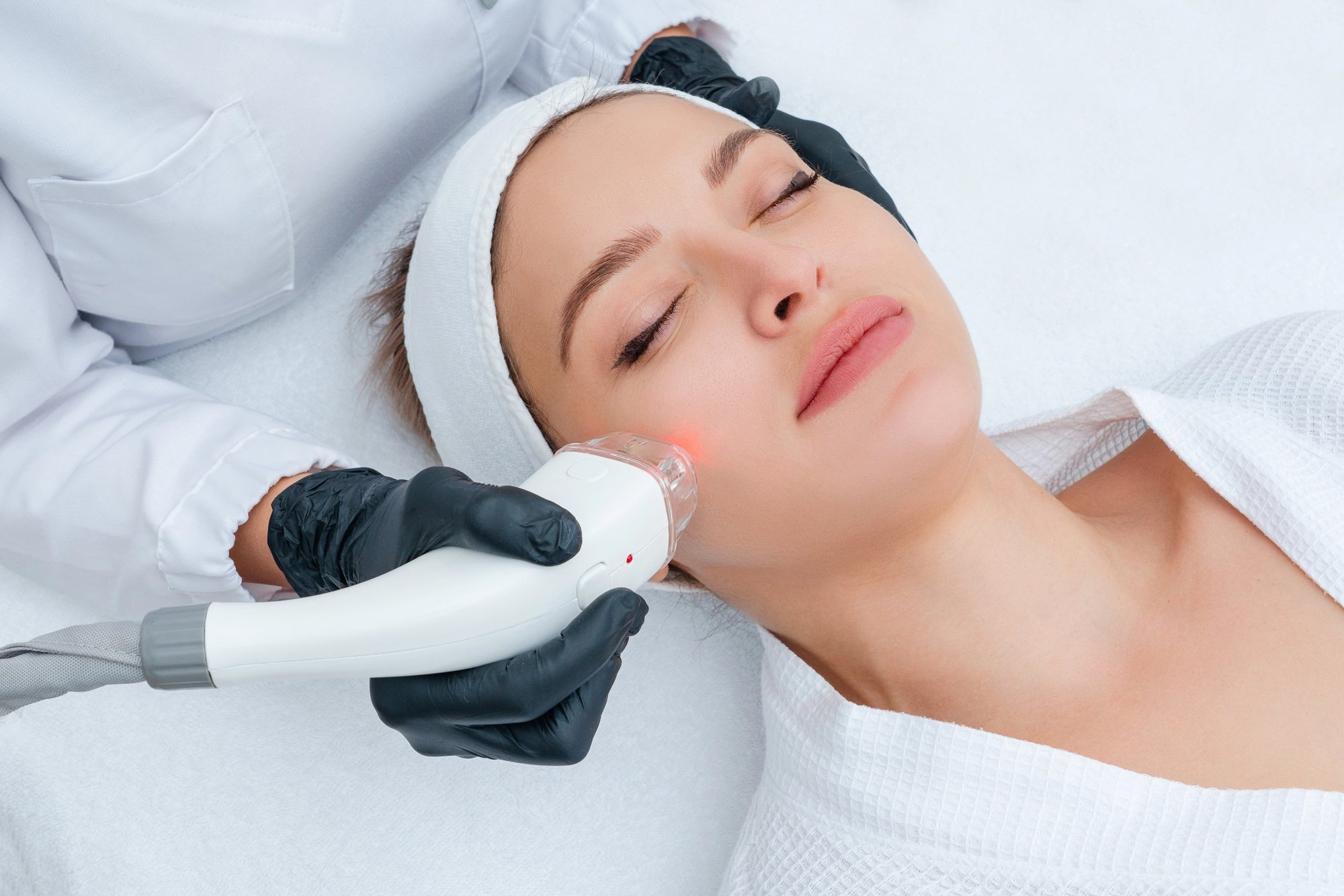
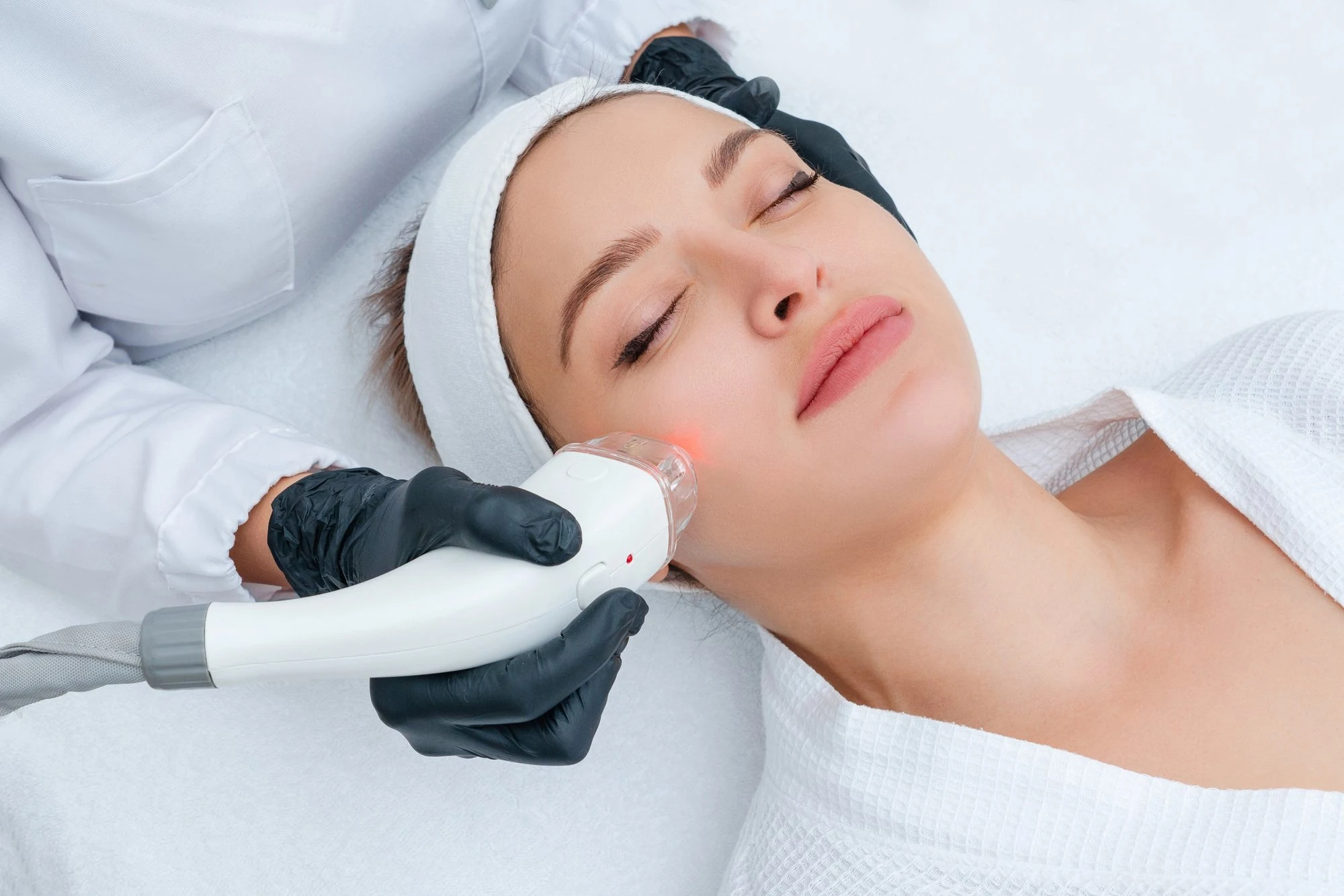
Laser treatments for acne use focused light energy to target the specific acne issues in your skin. A dermatologist uses a set wavelength that reaches the right depth of the skin, without harming the nearby tissues.
Some lasers reduce the acne-causing bacteria, and can calm inflammatory acne too. Other laser treatments can shrink overactive sebaceous glands, lowering oil production, and less oil can mean you’ll get fewer clogged pores and breakouts occuring.
There are also non-ablative lasers and ablative lasers, with non-ablative lasers heating the deeper skin without removing the top layer of the skin, whilst ablative lasers remove thin layers of skin in a process called laser resurfacing.
Fractional lasers treat small columns of skin at a time, and can support faster healing with lower risk, especially for people with darker skintones.
If you have active breakouts, like cystic acne or severe cystic acne, the dermatologist might use laser therapy for acne to reduce inflammation and bacteria.
When treating acne scars, the treatment goal shifts from collagen stimulation to collagen remodeling, with ablative laser treatments or non-ablative treatments triggering new collagen growth, to smooth uneven texture and improve the look of acne scars.
What Kind Of Results Are Realistic By Treatment Type
Having laser acne treatments can reduce any active breakouts you’re having, and lowering your oil and bacteria levels. You might notice fewer inflamed pimples after a few laser sessions, but results will vary by skin type and your severity of acne.
When you’re treating acne scars, the results will depend on the type of scar and the severity of the acne scar. Atrophic scars (including boxcar scars, rolling scars and ice pick scars) respond differently to each method. Hypertrophic scars often need a different approach, and might not respond well to standard laser treatments for acne scars.
Ablative lasers (such as CO₂) will give a more noticeable improvement in skin texture and moderate acne scarring, after one or two sessions, but recovery takes longer.
Non-ablative lasers work under the skin without removing the top layer, improving skin texture and mild-to-moderate atrophic scars over several acne scar laser treatments.
Aftercare That Protects Your Results
Laser acne procedures create a controlled injury within your skin, and your body the repairs that area and builds new collagen. The post-treatment aftercare supports this process, and can help you keep your results.
You can expect some redness, swelling or mild peeling for a few days, but the downtime depends on the type of laser used and your skin type.
After your treatment, gently cleanse the skin with a mild and fragrance-free face wash, apply a simple moisturizer to support healing, use a broad-spectrum SPF30 everyday and avoid hot showers, steam rooms and hard workouts for 24-48 hours.
You need to keep your skincare routine simple post-treatment, avoiding retinoids, exfoliating acids or scrubs, as they can all irritate your healing skin, and delay the recovery.