
Dry and peeling lips don’t look great, but they’re also very uncomfortable too. No matter how much lip balm you apply, the dryness just returns and it can affect how your lipstick and makeup looks. I’m going to share some reasons why your lips might be constantly peeling and feeling dry.
Common Everyday Habits That Dry Out Your Lips
Many of your daily habits can cause dry lips and constant peeling.
Lip licking is one of the most common causes, as saliva dries quickly and ends up pulling moisture from your skin. This cycle ends up leaving your lips more cracked and irritated than before.
If you breathe through your mouth, especially when you sleep, and the air moving over your lips dries the thin outer layer of your lips. Over time, this can lead to chapped lips that often peel or get cracked.
Some of the lip products you use can also make things worse, like flavored lip balms, strong fragrances, and menthol create a cool feeling, but can irritate sensitive skin. Plus, matte lipsticks and long-lasting lip formulas also strip away moisture from your lips.
The weather also plays a role, with cold air, wind and sun damage all weakening the skin barrier of your lips. Dehydration can also affect the skin of your lips, as when you don’t drink enough, your lips will look dull and feel tight.
Ingredients In Lip Products That Can Trigger Peeling
When your lips are feeling dry and cracked, you end up applying endless balms in the hope of making your lips look and feel better, but some lip products can actually make dryness worse instead of better. Repeated use can lead to redness, flaking and even small cracks which are really painful.
For the common lip product triggers, the first is sodium lauryl sulfate (SLS), which is a foaming agent, known to strip natural oils and leave your lips dried out.
Flavored lip balms might taste good, but mint, cinnamon and citrus can sting and cause peeling, especially if you have sensitive skin.
Salicylic acid or menthol create a cooling feeling on your lips, but they may increase irritation too. Plus, preservatives like benzyl alcohol can also cause dryness and burning.
If you use a lip balm containing an SPF, some chemical sunscreen filters can irritate sensitive lips, so you can always try a formula containing a mineral sunscreen filter instead, like zinc oxide or titanium dioxide instead.
Overusing Lip Balm And What To Do Instead
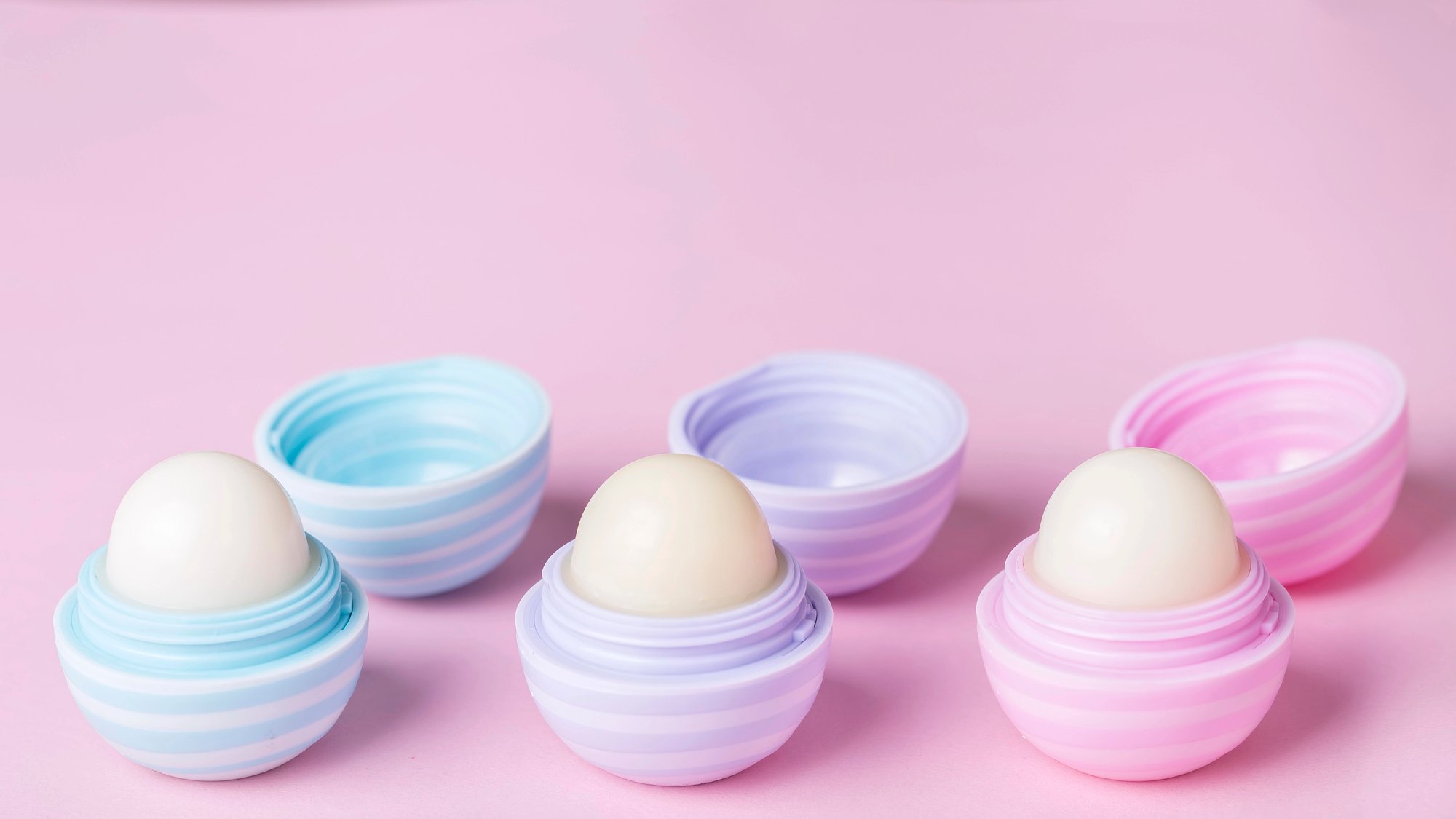
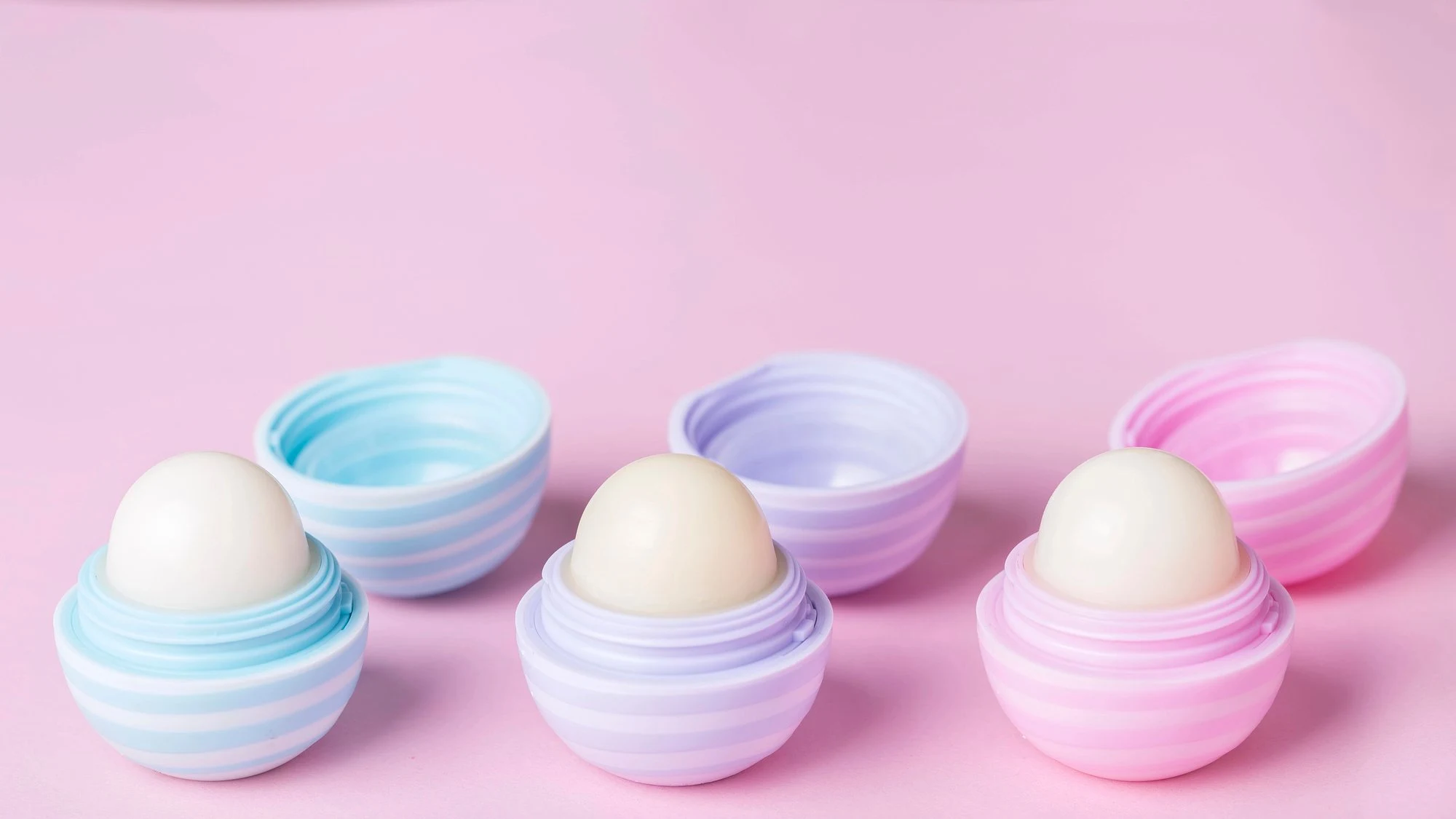
You might feel like you need to reapply lip balm all day, but overusing your lip balm can sometimes make lip dryness issues worse.
Some lip balm formulas contain flavors, fragrances, menthol and salicylic acid, as I explained above, and these all irritate lips and can lead to peeling. You then end up applying more lip balm to combat the dryness and peeling, and that then makes the dryness and peeling worse, in an endless cycle.
Your lips don’t have oil glands, so they rely on outside moisture and protection. If you keep coating them in lip balm, without fixing the cause of the dryness, they’ll feel dry again as soon as your lip balm wears away.
Look for simple and protective ingredients in a lip balm, like occlusives, which seal in moisture and will block hydration loss. Common occlusives are beeswax, petrolatum, shea butter and lanolin.
Choose a lip balm with few ingredients, and no added scent or flavor, and apply when your lips feel dry, after eating and before bed.
Building A Simple Lip Care Routine That Works
To treat dry and peeling lips, start with gentle lip exfoliation once a week. Use a soft washcloth (flannel) or a mild lip scrub to lift away loose skin, without scrubbing too hard, as that will cause more peeling.
Next, apply a hydrating layer with ingredients like glycerin, hyaluronic acid, ceramides or vitamin E, as they’ll help draw in water and support your skin’s barrier.
During the day, apply a lip balm with an SPF, as sun exposure can dry and damage your lips, even in the winter.
Support your lips from the inside, by staying hydrated by drinking enough water. If the air inside your home feels dry, a humidifier can add moisture back into the room.
Make sure you don’t apply your lip balm too often. Stick to applying your lip balm a few times a day, especially before bed, as consistency helps your lips heal and stay smooth.