
Your skin does a good job at telling you what it needs, and what it doesn’t. You might notice redness, flakiness and sensitivity in different places, and some believe that different skin concerns on different parts of the face, is a way of showing issues within the body. Many people have dry skin, myself included, but how can you know if your skin needs moisture?
What Skin Moisture Really Means And Why It Matters
Moisture is known as being the skin’s “built-in support system”, to keep it soft, flexible and calm.
The water and oil content within the outer layers of the skin, work together, to help maintain the skin’s moisture balance, so it doesn’t feel tight, rough or sensitive and reactive.
When the moisture levels are steady and balanced, your skin’s barrier stays sealed, helping it to hold onto water, and defend against irritants (like pollution).
Environmental factors constantly challenge that balance. With cold air, heat, wind, central heating, hot showers and harsh skincare products, can all strip lipids from the skin, and speed-up water loss.
To support your skin’s recovery, choose moisturizing ingredients which attract moisture into the skin, and help it to lock in, like humectants, plus skin barrier friendly emollients and occlusives.
Hyaluronic acid is my go-to skincare ingredient I look for in skincare products, as it acts like a sponge, attracting and binding up to 1,000 times its weight in water from the environment and deeper skin layers.
Difference Between Dry Skin And Dehydrated Skin
Dry skin and dehydrated skin are two completely different skin problems.
Dry skin is a skin type, with low oils, so your skin’s barrier can’t seal in water well. Common causes for dry skin include; genetics, aging, harsh skincare products and over-exfoliation.
For dry skin, you’ll need your skincare products to contain rich lipids and occlusives, to support your dry skin’s moisture retention.
Dehydrated skin, however, is a condition which can happen to any skin type – even oily skin.
Dehydrated skin reflects low water content, is often triggered by climate, central heating, alcohol-heavy skincare products, or using skincare products with too many active ingredients.
Symptoms of dehydrated skin include feeling tightness, and noticing surface dullness, and they can shift quickly, with seasonal skin changes.
For dry skin, you need to nourish and protect your skin, whereas, for dehydrated skin, you’re going to need to hydrate plus protect against further water loss within the skin’s layers.
Quick Self Check Signs Your Skin Is Asking For More Moisture
If you want to know what your skin’s current condition is, you can do a quick mirror and touch test.
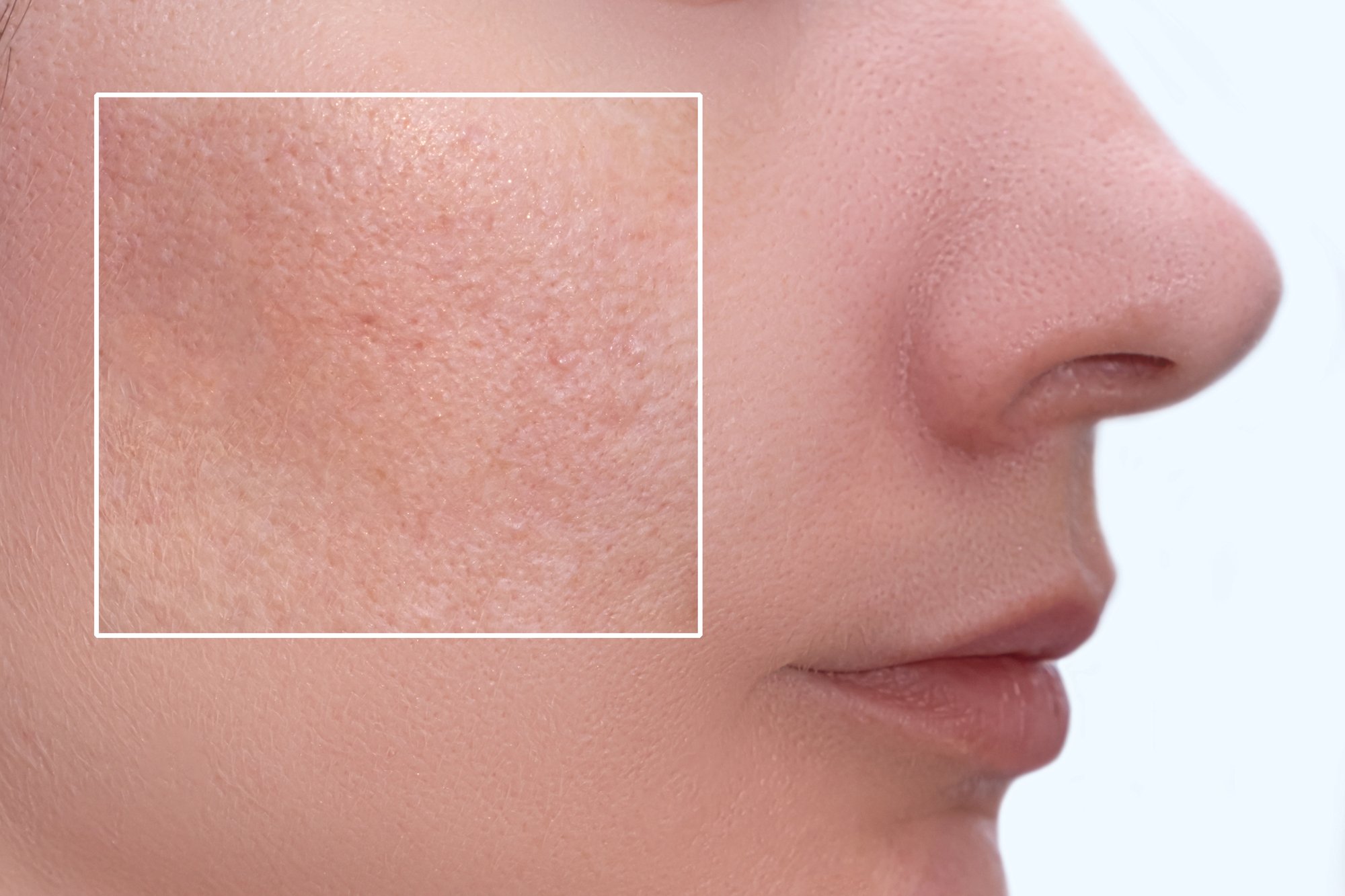
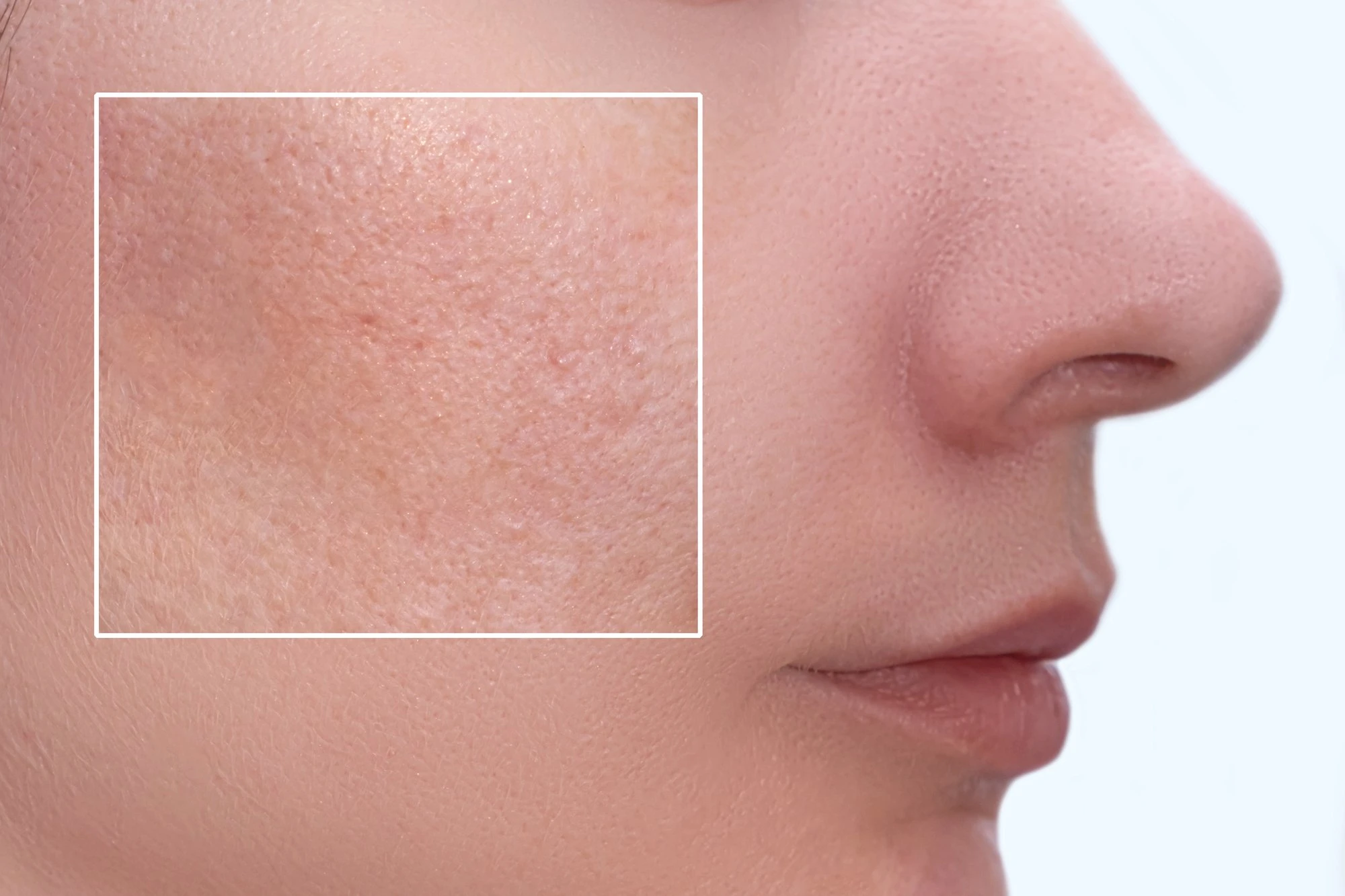
In the mirror, if you can see flaky patches around your nose, chin or cheeks, your skin barrier is likely lacking water and lipids.
Press one fingertip on your cheek – if it rebounds slowly, or you get that tight feeling after cleansing, you’re likely dehydrated.
You can also check your skin’s tone and finish. If your skin looks dull, and your makeup won’t sit nicely, or it looks a bit patchy, this tends to show you’re dealing with moisture loss within the skin.
Run your fingers across your jawline, and if it feels rough, you feel tiny bumps or an uneven smoothness, this usually means your skin’s surface isn’t holding hydration well.
Lastly, pay attention to how your skin reacts to different products you apply. If products you usually use, feel like they suddenly sting, flush or itch, when applied, this increased sensitivity is a sign your skin is asking for more moisture, and gentler skincare formulas.