
Cracked heels don’t look great, but they can be uncomfortable too, as well as being persistent and difficult to manage.
Many over-the-counter treatments claim to fix cracked heels, but there are some natural remedies you can try, to improve the dryness, reduce any roughness and protect your skin’s barrier.

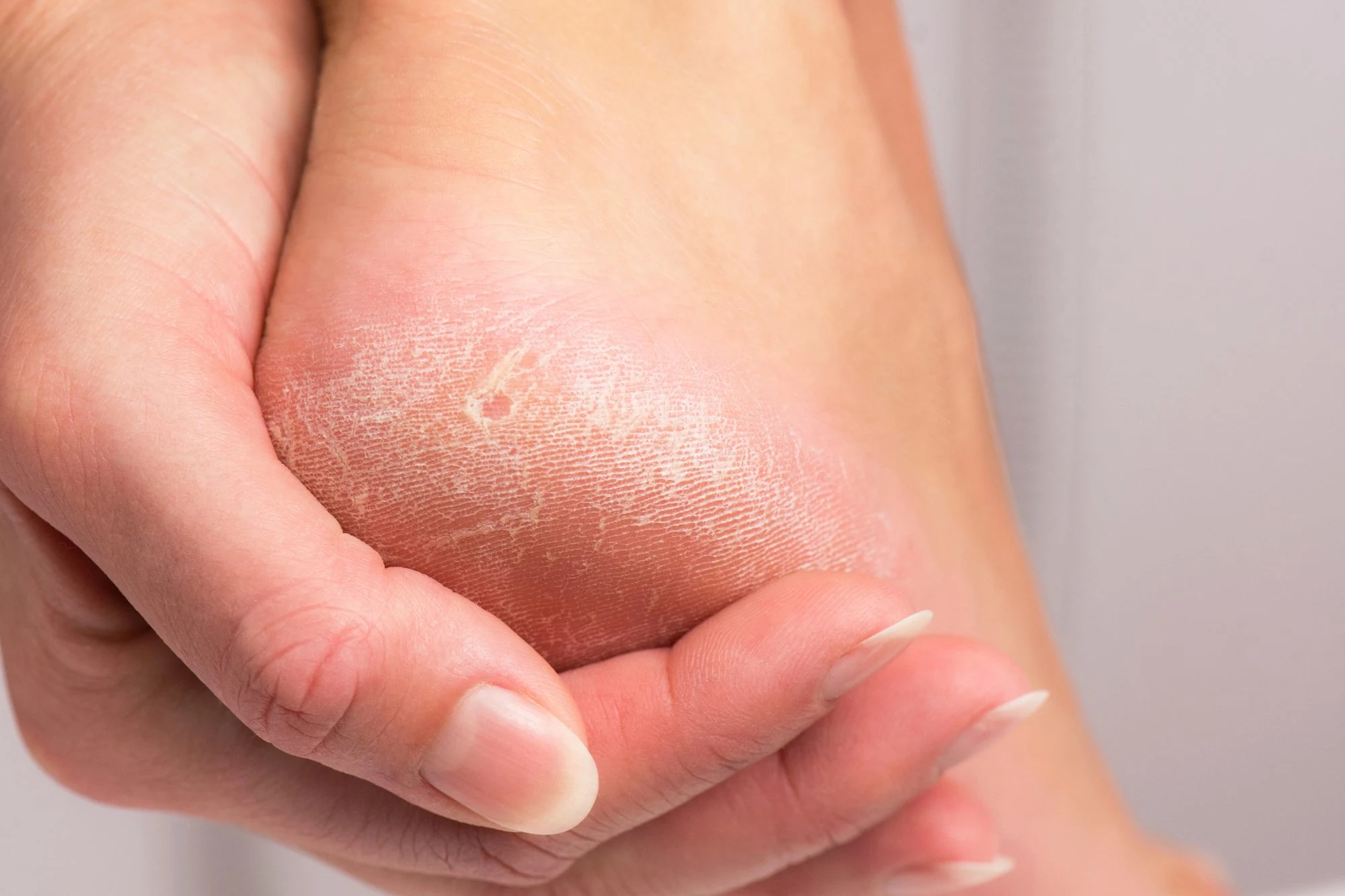
What Causes Cracked Heels In The First Place?
You get cracked heels when your skin loses moisture, and the skin barrier starts to break down. Dry feet and dry heels make the outer layer stuff, and prone to splits called heel fissures.
Pressure and friction makes these cracks worse, as does standing for hours, wearing open-back shoes, or extra body weight can increase the force on your heel pads, stretching dry skin until it starts to split.
Having skin conditions can also raise your risk. Eczema and psoriasis causes chronic dryness and inflammation issues, which again, weakens the skin barrier.
Health issues can also affect the health of your skin across your body. Like hypothyroidism can reduce the skin’s oil and sweat, leaving you with drier feet that are more likely to crack. Whereas poor circulation and diabetes makes your body heal slower, and infections are more likely.
Environmental factors can also have an affect, like low humidity, hot showers, harsh soaps and not applying foot cream or heel balms. If you don’t remove thick dead skin, calluses can build up, increasing the pressure on the edges, which is where the fissures form.
Best Natural Oils For Softening Rough Heels
As part of your DIY pedicure regime, use oils alongside foot creams to soften any thick and dry skin. Oils act as emollients and occlusives, so they’ll smooth your skin and lock in moisture too. You can apply them after a hot bath or foot soak for best results.
Coconut oil and shea butter are rich emollients which help to soften rough heel skin, sitting on the skin’s surface to seal in hydration. For very dry heels, you can mix shea butter with a few drops of glycerin (which is a humectant), to drawn in extra moisture, before sealing with the shea butter.
Olive oil and avocado oil are effective vegetable oils that nourish your skin, as well as improving elasticity. Massage them into your heels for a few minutes to boost your circulation and help products penetrate.
Petrolatum and paraffin are not natural oils, but they both work as strong occlusives, preventing water loss and protecting heel cracks whilst they heal. You can also apply a urea cream containing urea or salicylic acid, alongside the oils, to gently exfoliate and soften thick callus.
Natural Foot Scrubs You Can Make At Home
Soften and exfoliate dead skin on your feet, with simple foot scrubs you can make at home. You can mix a basic sugar/salt scrub with olive or coconut oil to remove rough patches and add moisture all-in-one.
A sugar and coconut oil scrub works for gentle exfoliation, massaging it into wet feet for a few minutes. Rinse, pat dry and follow with a thick moisturizer or petroleum jelly.
If the skin on your feels is very thick, you ca use a salt scrub or add a small amount of baking soda to help lift the dead skin. Avoid scrubs that feel too gritty, if your skin is open or painful, and you can use a pumice stone after soaking, to reduce the thickened skin.
Simple Daily Habits That Prevent Heel Cracks
Make sure you wash your feet daily, dry them well and apply a thick foot cream whilst your skin is still slightly damp.
Wear supportive footwear with good arch support and cushioned soles. Avoid walking long periods barefoot, as it adds extra pressure on your heels.
Choose socks made with breathable materials (like cotton), to reduce sweat and friction, and change your socks daily.
You can use a gentle foot file once or twice a week to remove hard skin, focusing on areas with thick callus, but stopping if the skin looks red or sore.
Replace worn-out shoes and go for supportive footwear if you have flat feet, or high arches, to prevent uneven pressure on your heels.