
Bed bugs are a nightmare to deal with, as they’re crazy persistent and attempts to try and remove them often fail, as people don’t do enough steps to fully get rid of them within their home.
Many people focus on the quick fixes, but this can still allow infestations to spread throughout your home and even neighboring buildings. Here are the most common mistakes people make, when trying to get rid of bed bugs inside their home.
Treating Only The Bed And Ignoring The Rest Of The Room
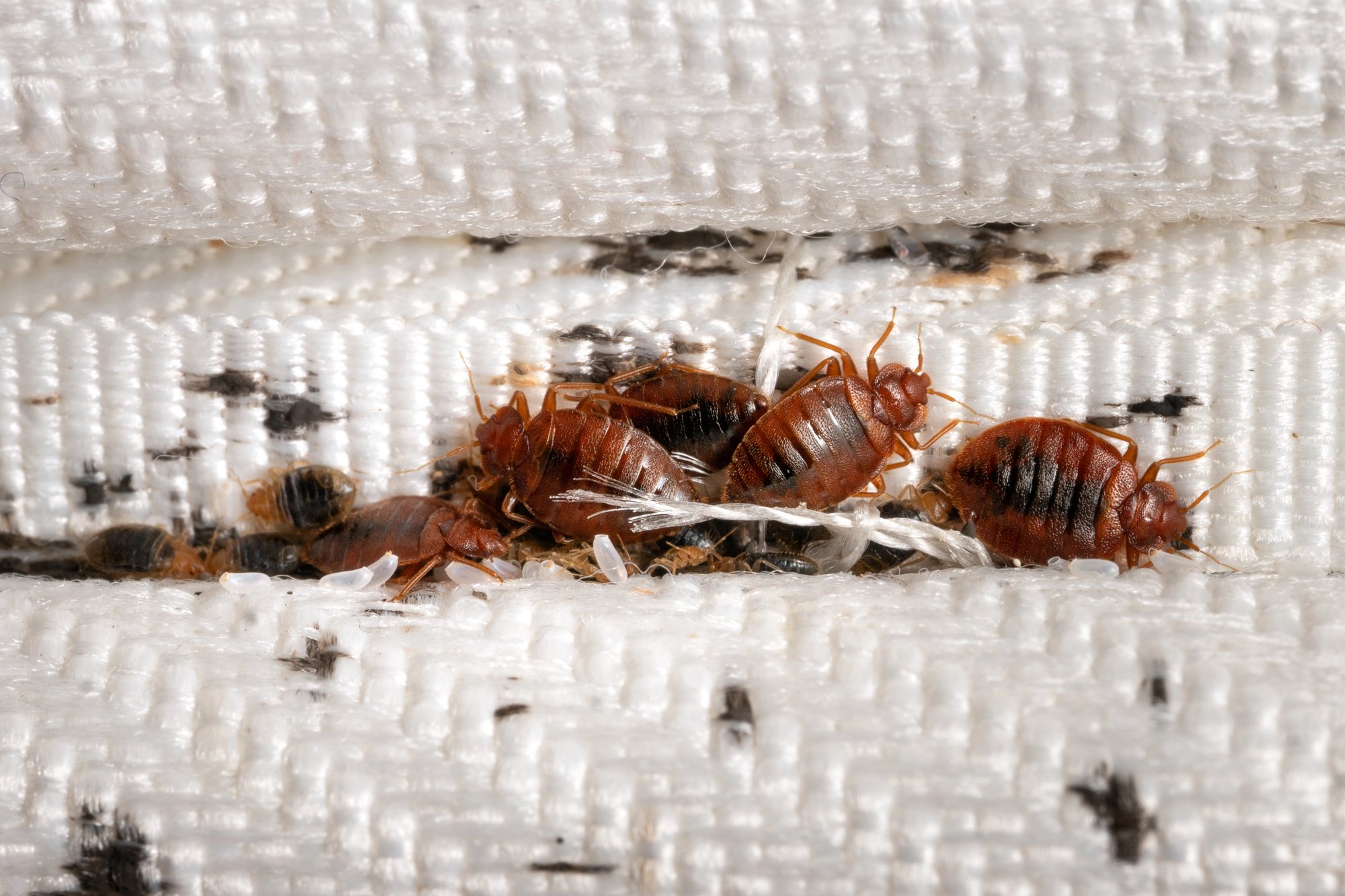
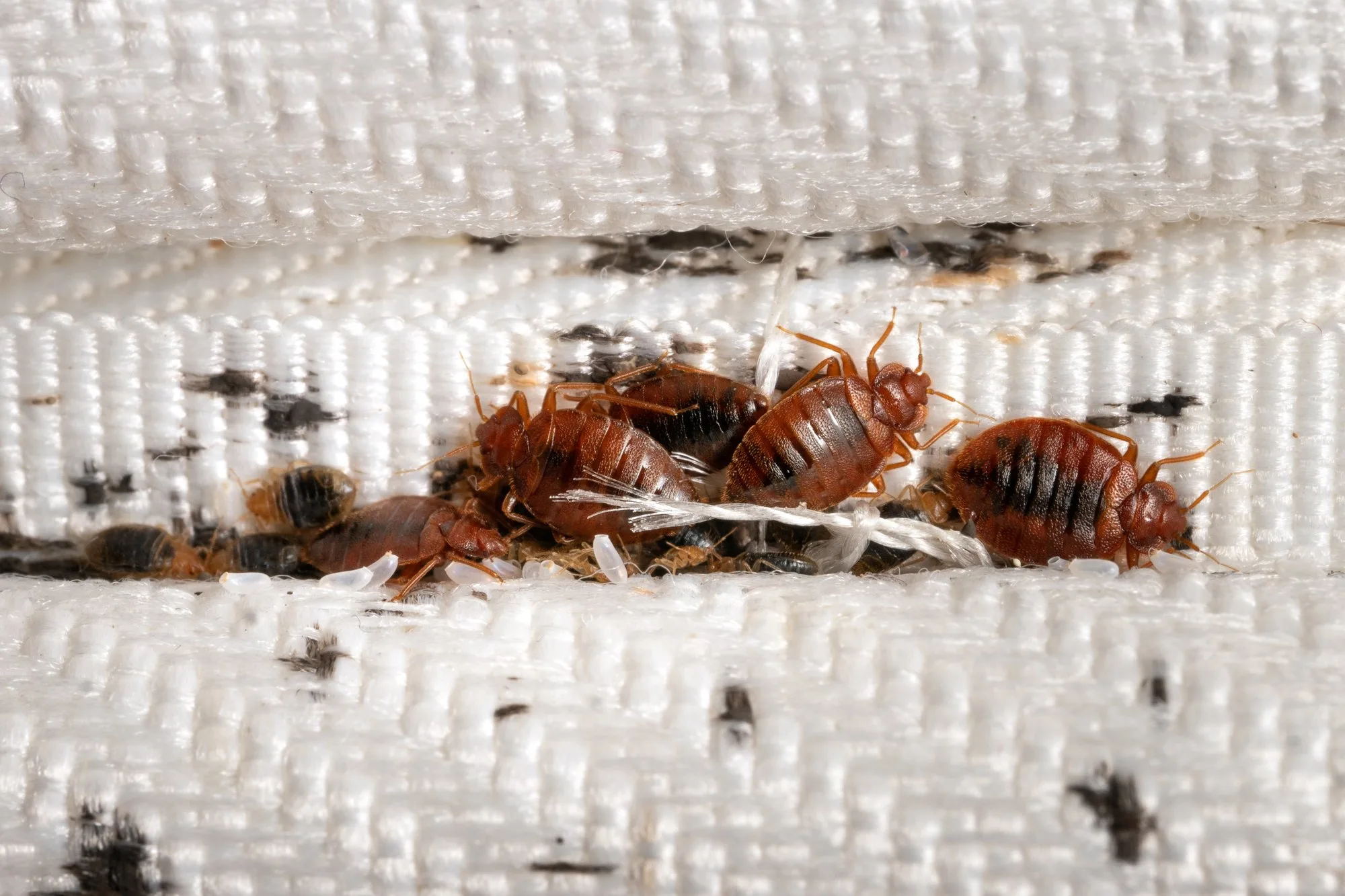
When you only treat your mattress and the box springs, it leaves most bed bug hiding places untouched. Bed bugs love to hide in cracks, baseboards, picture frames, electrical outlets and even behind your wallpaper – you need to treat the entire room
Pull the furniture away from the walls and check the seams, folds and joints of each piece. Look under your rugs, inside any drawers and units, as bed bugs can live in the tiny crevices.
You need to use a mix of methods for the room, and not just spraying your mattress. Use your vacuum cleaner on the edges and crevices, stream-treat your upholstered furniture and launder all bedding and curtains on a high heat.
Use a mix of methods for the room, not just sprays on the mattress. Vacuum edges and crevices, steam-treat upholstered furniture, and launder bedding and curtains on high heat, or use a professional bed bug treatment for extra guidance and help.
Moving Infested Items And Spreading Bed Bugs Around The Home
When you move your furniture, boxes or clothing without treating them, you will end up moving bed bugs into your other rooms in the house. Even a single mattress or a bag can seed an infestation elsewhere, so take your time before moving anything.
Place items in sealed plastic bags or heavy-duty covers before you move them anywhere. Label the bags so you remember which items still need to be treated.
Laundry and heat kills many bed bugs, when you do it right. Wash fabrics in hot water and dry them on high for at least 30 minutes. For items you can’t wash, use a clothes dryer, professional heat treatment or sealed plastic storage for months.
Inspect large items like your couch, dressers and mattresses. Use mattress encasements and bed leg interceptors to trap any bugs that try to climb. If you need to move any furniture in your home, cover it and don’t let it rest against the wall or other furniture.
Washing Bedding But Forgetting Curtains and Soft Furnishings
Washing your sheets, pillowcases and duvet covers isn’t enough, as bed bugs can also hide in curtains, throw pillows and upholstered furniture.
Look around the room for any soft furnishings within a few feet of your bed, as they often collect the same bed bugs and bed bug eggs that are on your bedding.
Wash what you can in hot water, and dry on a high heat setting to kill the bed bugs and their eggs.
Keep a log of items you’ve cleaned, so you don’t miss any curtains or cushions, so you get to fully eradicate the bed bugs in your home.
Ignoring Cracks Baseboards And Wall Gaps
When trying to get rid of bed bugs in your home, it isn’t just the soft furnishings and bedding you should be dealing with.
Small cracks and gaps are the openings that bed bugs use to hide and move, so ignoring them can let a bed bug infestation spread.
Check along every baseboard, behind the trim, and at the wall-floor junctions, using a flashlight and a thin tool to probe the dark gaps where bugs or eggs can nest.
If you find any gaps, seal the gap with flexible caulk or a latex-based sealant that stays pliable. For larger holes, use foam backer or a wood filler before using caulk, so the seal holds over time.
If you only spray insecticide and ignore the cracks, you’ll kill the surface bed bugs, but not those that are hidden inside the walls. Using both sealants and targeted sprays will give you better results, and kill both the bed bugs themselves, but also their eggs.