
Cold sores can appear suddenly, and can leave you feeling self conscious as they’re hard to disguise. The redness, swelling and discomfort can be horrible, and while many treatments promise relief, not all treatments deliver noticeable results as quickly as they claim. Keep on reading to find out how you can actually reduce irritation and promote faster healing, for a difference in comfort and appearance.
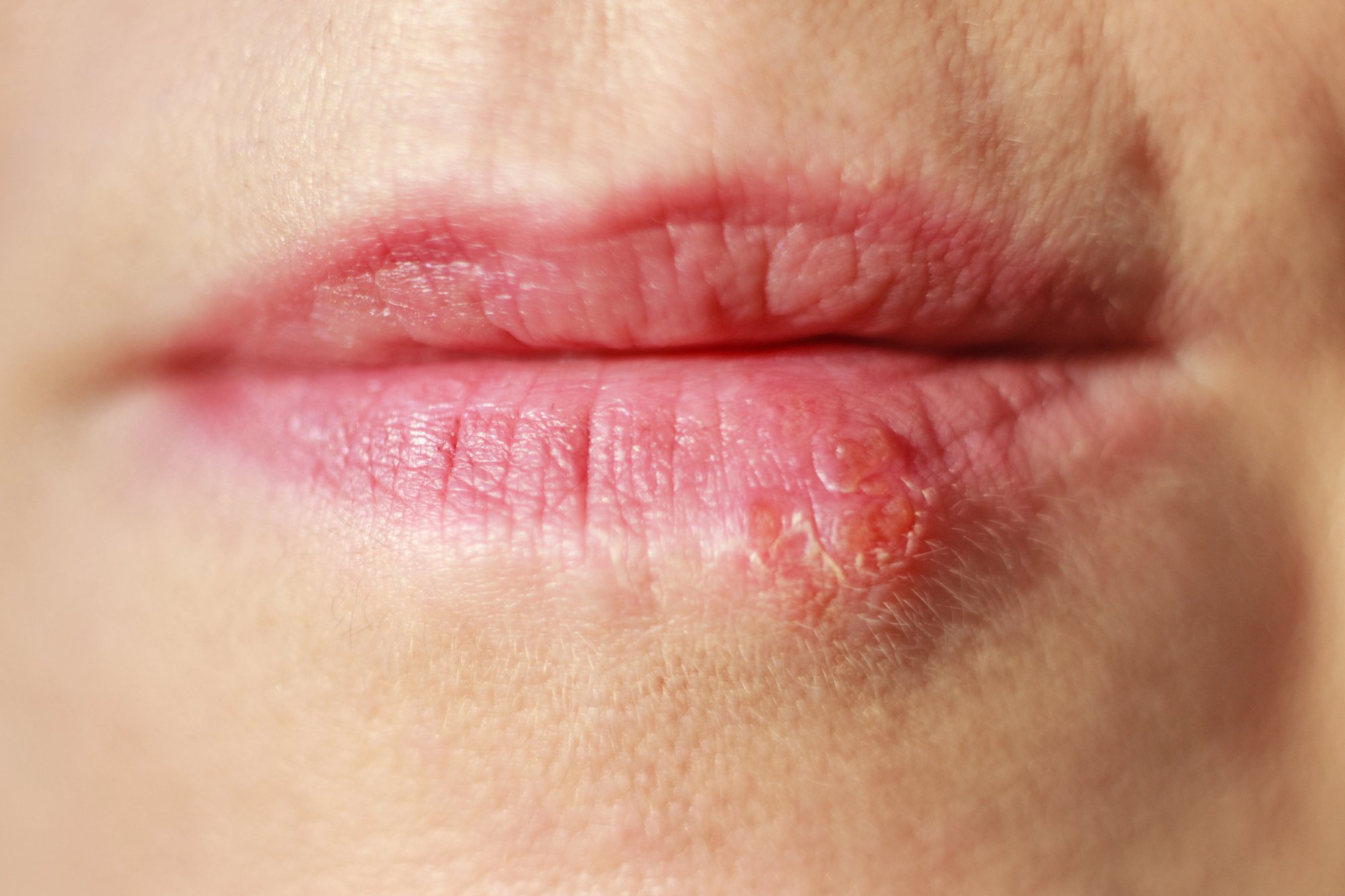
What Causes A Cold Sore To Flare Up
Cold sores come from the HSV virus (usually HSV-1), and the virus stays in your nerve cells, after your first infection. It can reactivate later, and cause fever blisters on or around your lips.
Several triggers can wake the virus, to cause a flare-up, like stress, illness and a weak immunity. When your immune system is low, HSV finds it easier to multiply, and form a sore.
There are some physical triggers too, like sun exposure and wind, which can both dry out and irritate your skin, prompting a flare to happen. If you have a fever, a cold or other infection, they can do the same by taxing your body’s defenses.
Can You Really Dry Out A Cold Sore Overnight
Unfortunately, you can’t make a cold sore completely disappear overnight. Using an antiviral cream can speed up the healing process, but they won’t eliminate your outbreak instantly.
If you start applying a cold sore treatment as soon as you get the first tingle, you can shorten the duration of your cold sore breakout. Over the counter docosanol and prescription antiviral creams, like penciclovir help when you apply them as early as possible.
There are oral antiviral medications you can try, like acyclovir, valacyclovir, and famciclovir, which work faster for many people, if they’re taken as soon as the first symptoms begin.
Drying the cold sore can reduce moisture and the scab formation, which can make it look smaller.
Use an approved antiviral cream, or a drying agent, and avoid harsh home remedies which can end up irritating your skin, and leaving you with sore and even more inflamed skin. Overuse of salt, hydrogen peroxide or alcohol can slow down your healing of the cold sore.
You can notice a little improvement overnight, rather than a straight up cure. You might notice less redness, less swelling and less fluid. The full healing process typically takes several days to two weeks, without treatment, and just a few days with prompt antiviral therapy.
What Happens During The Cold Sore Healing Stages
You typically first notice a tingle or itch before any visible signs appear. This is known as the “prodrome” stage, when the virus reactivates at the nerve ending.
A small blister starts to form next, filling with fluid and may cluster with others, and this is the most contagious stage.
The blister/s can break open and ooze a clear or yellowish fluid, and avoid touching it, as the weeping stage spreads the virus and bacteria easily.
A crust or scab forms, as the fluid dries, and this scab protects new skin underneath but can itch, and feel tight.
Under the scab, the skin regenerates and slowly heals. The scab may flake off on its own, and picking it can cause scarring or slower healing.
The typical timeline is, tingling (hours), the blister (one to two days), weeping (one to three days), scabbing (several days) and healing (up to 2 weeks).
Natural Remedies People Swear By
You can try several home and over-the-counter options to dry the cold sore, ease any pain you might have and speed up the healing process.
Docosanol (Abreva) is an FDA-approved cream which you should apply as soon as you get the first tingle, as it can shorten the healing time, if it has been used early.
Taking Lysine supplements is helpful in the prevention and may reduce the outbreak length for some people.
Many people use lemon balm oil topically, to soothe the skin and possibly calm the virus. Although, make sure you’re applying dilute lemon balm oil with a clean cotton swab to avoid irritation.
There are also cold sore patches, which you stick over the top of your blister, to keep it protected, and keep the moisture in. They can also reduce pain, stop picking and help the sore heal faster by creating a barrier.
Be gentle when cleaning, avoid touching the sore (especially outside of the home with unwanted bacteria), and applying a cold compress for pain relief.