
The colder months are officially here, well for us in the Northern Hemisphere, and if you’re struggling with the cold already, I’m going to share some tips on things you can try in your home, to make your home cosier this winter.
Some of the tips are quick and easy things you can do, and some take a little more effort. Keep reading to find out more…

Draft Excluders
This is a real old-school method, and is something I bet your parents and grandparents used in their homes, and it is draft excluders.
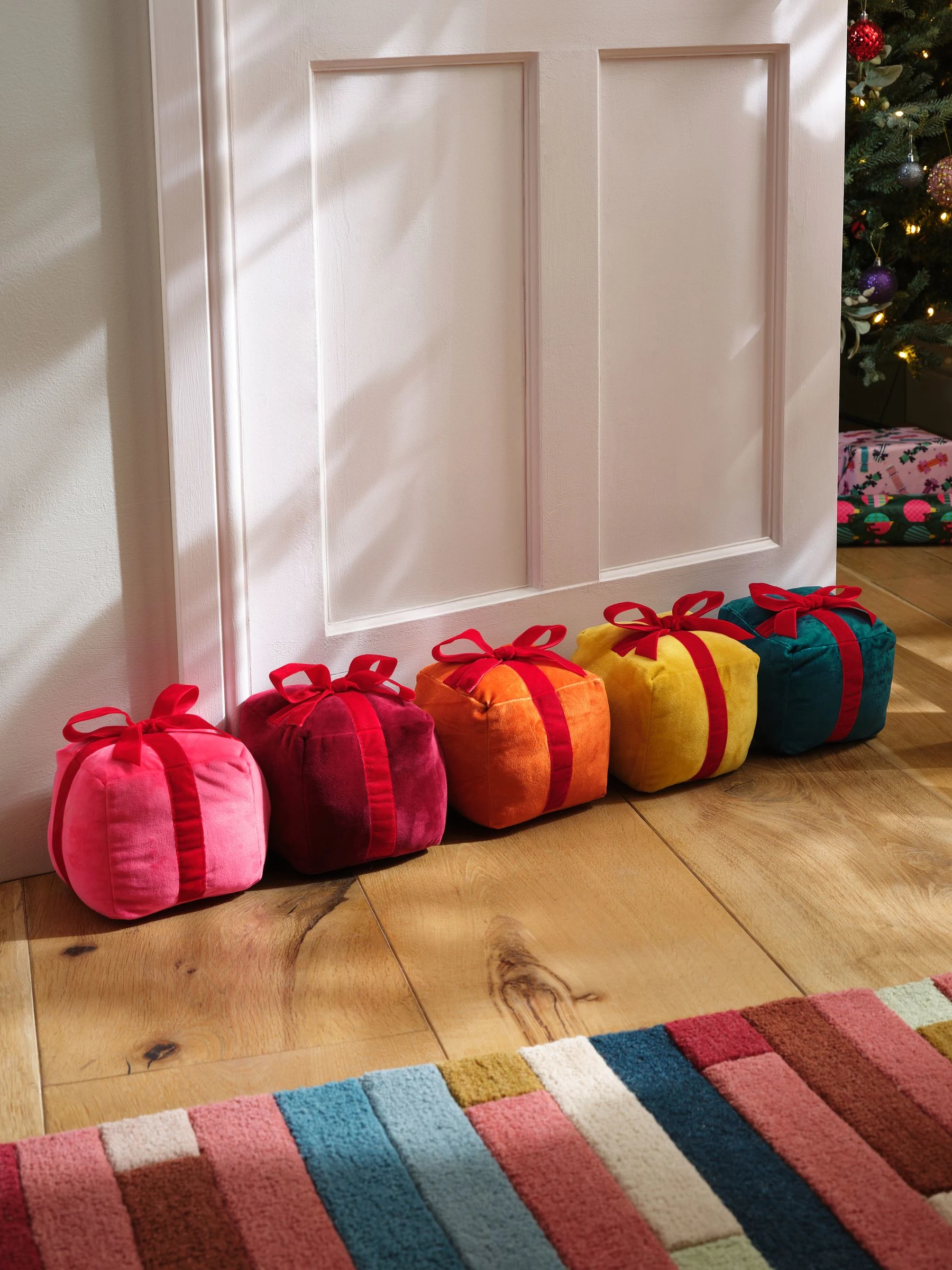
Draft excluders are, normally, long strip cushions that you place at the base of your doors, to prevent cold air from entering a room, and prevent warmer air escaping a room.
They’re typically upholstered, and contain synthetic stuffing (like a cushion), or they’re weighted with materials like rice or sand.
You can also use draft excluders on your postbox, or mailbox on your front door (if you’re in Europe), with brush strips or rubber seals, to seal up any gaps where cold air could enter your home.
I always remember really dated looking draft excluder designs, but you can actually find some really nice, more modern designs – like the above image.
This is a draft excluder on sale at Next right now, and whilst it is festive in design, it’s still a really cute design, and it’ll keep your room cosy on the cold winter nights.


Insulated Curtains
I have insulated curtains throughout my home, and they make such a noticeable difference to the warmth of a room.
You can purchase insulated curtains to start with, but what if you don’t like the designs on ready insulated curtains? That’s where insulated curtain liners come in.
Insulated curtain liners can be attached to your existing curtains, and some have the option to be permanently fixed to your curtains, or you can find detachable insulated curtain liners, which you simply remove when it’s spring, and you no longer need the insulation benefits.
They’re so easy to find online – you just need to know the width and drop of your existing curtains, so you get the right size, and they help insulate your room, especially on the super cold and icy evenings.
Foam Weather Strips
One of the most affordable things you can try, is foam weather strips. They come in big rolls, and you simply cut a length from the roll, to fit the width of your window.
Some of them are adhesive, so you can stick them in place, or you can place them against your windows and doors, to seal any gaps, preventing any cold air entering your home.
If you rent your home, foam weather strips are particularly good, as they’re easy to remove, without leaving lasting damage, wherever you use them.
Under Floor Heating
This is definitely a luxury, but under floor heating is very much an amazing method for making your home cosier in the winter.
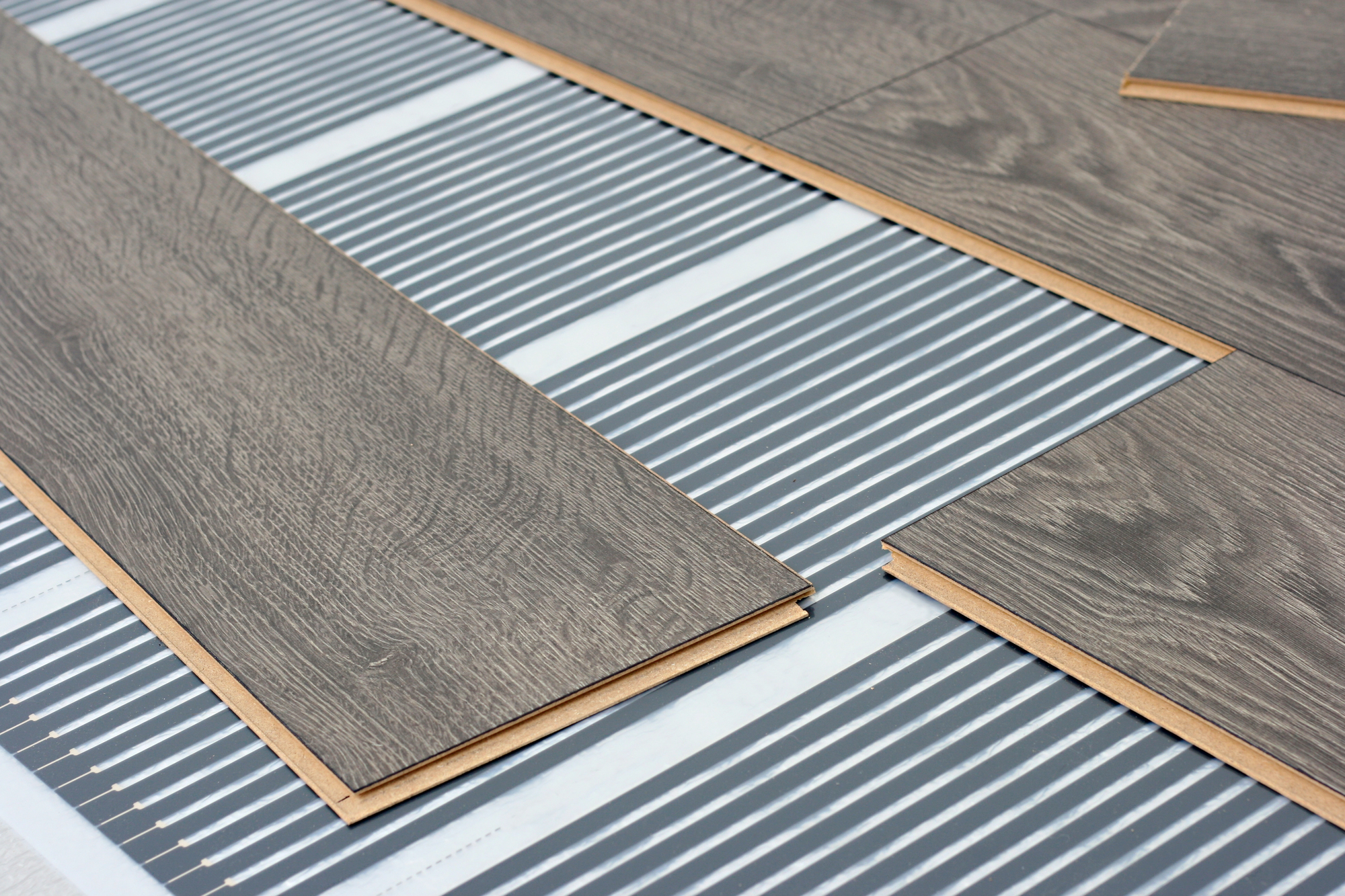
It’s a system where the room is warmed up from beneath the floor’s surface, giving you an even heat distribution throughout the room
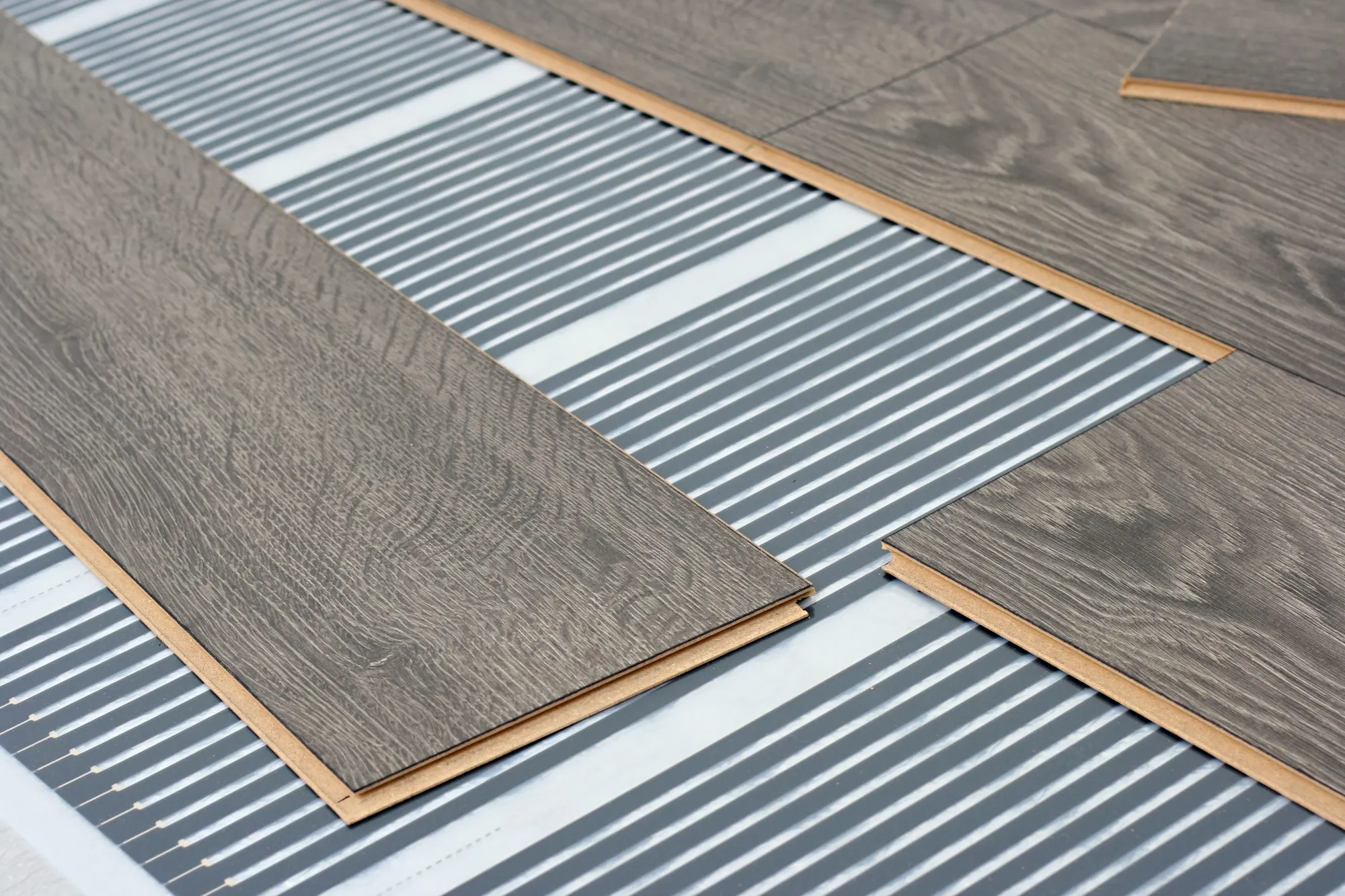
Under floor heating usually uses either electric heating elements (like those shown above), or warm water pipes installed under your floor’s material.
There are many benefits for under floor heating; it is energy efficient, reduces the need for chunky and ugly radiators, and warms rooms from the ground up, and it works with tiles, stone, wood and carpet, depending on what flooring you have in your home.
It is the most expensive option within this post, but wow does it make an amazing difference to how cosy a room, and a whole house feels.
Radiator Reflector Foil
If you’re looking for a more cost-effective option, you can consider radiator reflector foil.
They are usually self-adhesive panels, which you attach to the wall behind a radiator, to reflect heat back into the room, which would normally be lost through the wall.
They’re typically made from aluminum foil, or other reflective materials, and are thought to improve heating efficiency by up to 15%.
I like that they’re easy to install, and they’re not an eyesore behind your radiators, and if you have cavity wall insulation as well, it’ll only boost the amount of extra warmth you’ll get from your radiators.