
Do you choose your jewelry pieces based on what you like? Did you know that your skin’s natural undertone can influence which metal color suits your skintone the best?
There are three main skin undertones; warm skintone, cool skintone and neutral skintone, and certain metal colors do actually look better on different undertones. I’m going to show you which metal colors suit which skintones the best.
The Difference Between Cool, Warm and Neutral Skintones
Skintone is often confused with how light or deep your complexion is, but it actually refers to the subtle undertone that affects which jewelry metals look most flattering.
It’s really about how your natural coloring interacts with the color wheel and how different metals sit against your skin.
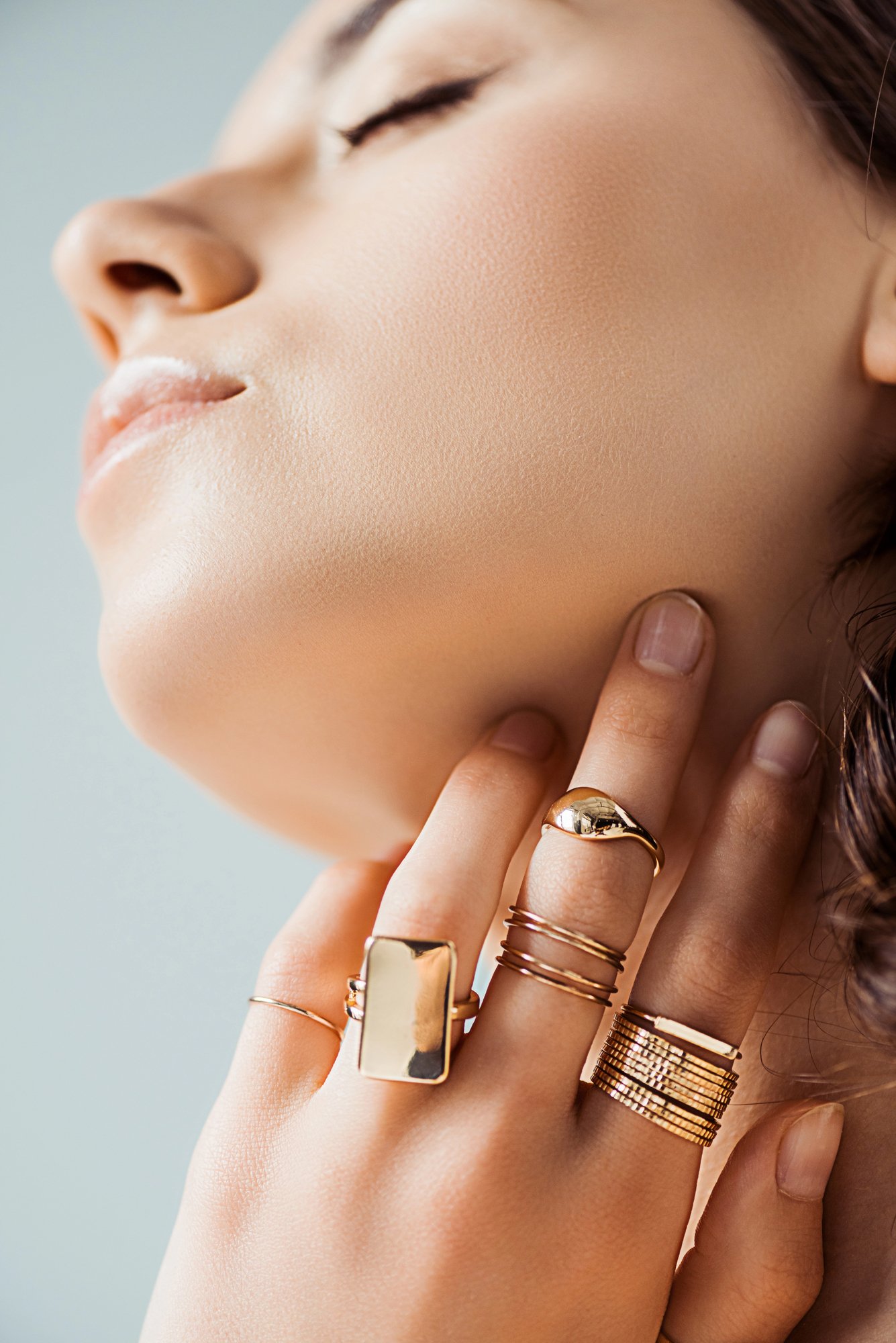
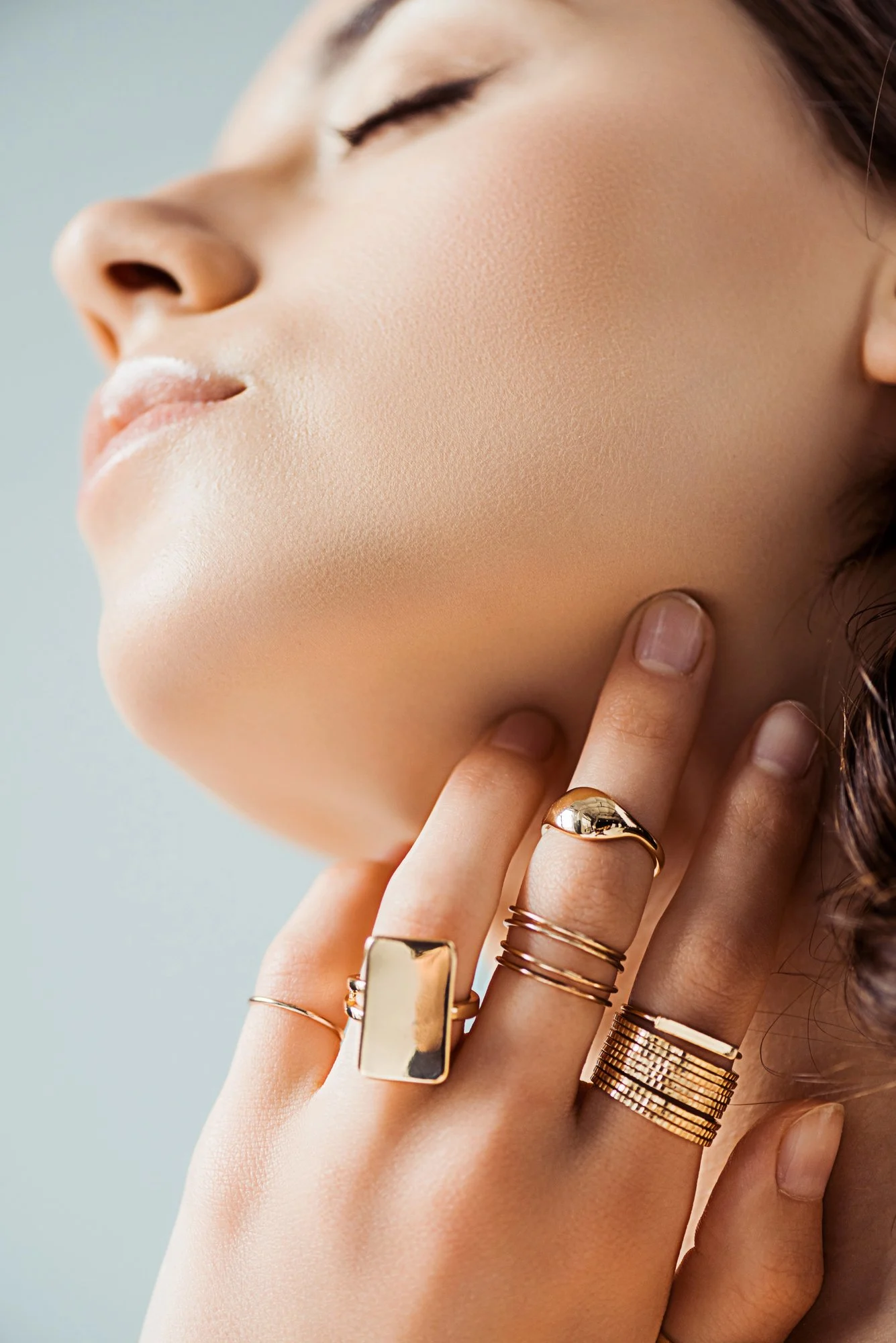
People with cooler undertones tend to look best in silver, white gold, or platinum, while warmer undertones usually glow in yellow or rose gold.
Those with neutral undertones can wear a wide range of metals, so style and preference play a bigger role.
You may already notice hints of your undertone when choosing foundation or makeup, since cooler tones match rosier bases and warmer tones suit golden or peachy ones.
Even how your skin reacts to certain metals or what you observe in a simple vein test can help confirm what your undertone is.
Simple Ways to Figure Out Your Skintone at Home
Here are the simple ways in which you can check what your skins natural undertone is in just a couple of minutes.
1. Check your veins
Stand in natural sunlight and look at your vein color on the inside of your wrist. If you have more bluer veins, it often signal a cooler undertone, greener colored veins a warmer undertone, and mixed vein colors tend to mean you have more of a neutral undertone – mine are blue, and I have a very noticeable cool undertone.
2. Use the white paper trick
Hold a sheet of white paper beside your bare face in daylight. If your skin looks rosy, you likely lean cool in tone, if it’s more golden or peachy, you probably have a warm undertone.
3. Try a fabric comparison
Compare how you look in true white vs. creamy ivory fabric.
4. Compare metals
Hold gold jewelry and silver jewelry against your skin and notice which makes you look brighter, this is what professionals use for seasonal analysis – there are Subreddits dedicated to this, helping people decide which tones they’re best suited for.
How Undertones Influence Your Jewelry Choices
Once you have a clearer idea of your undertone, it becomes much easier to choose metals that naturally complement your skin.
Color relationships help explain why some pieces seem to brighten your complexion while others feel slightly off.
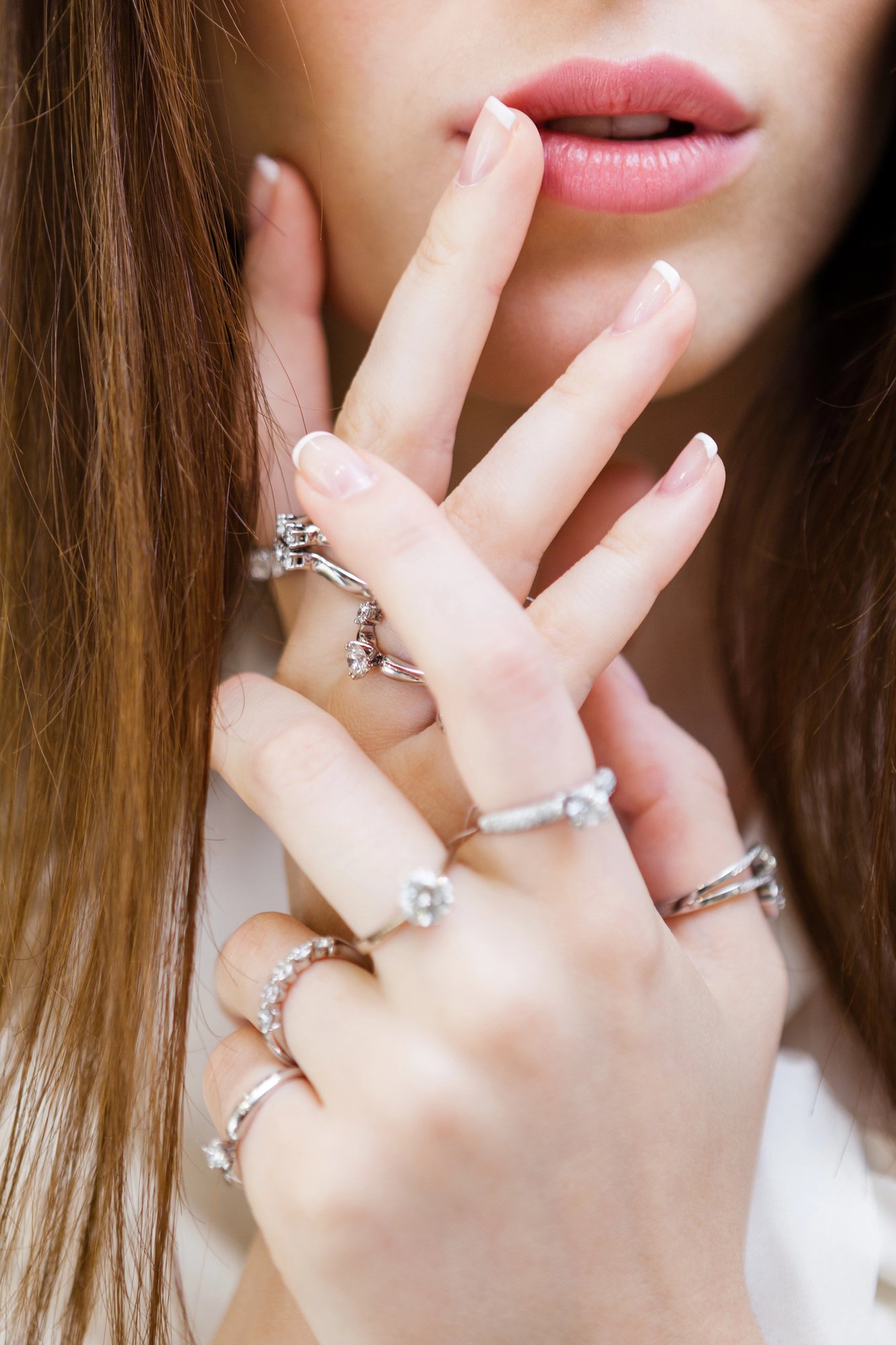
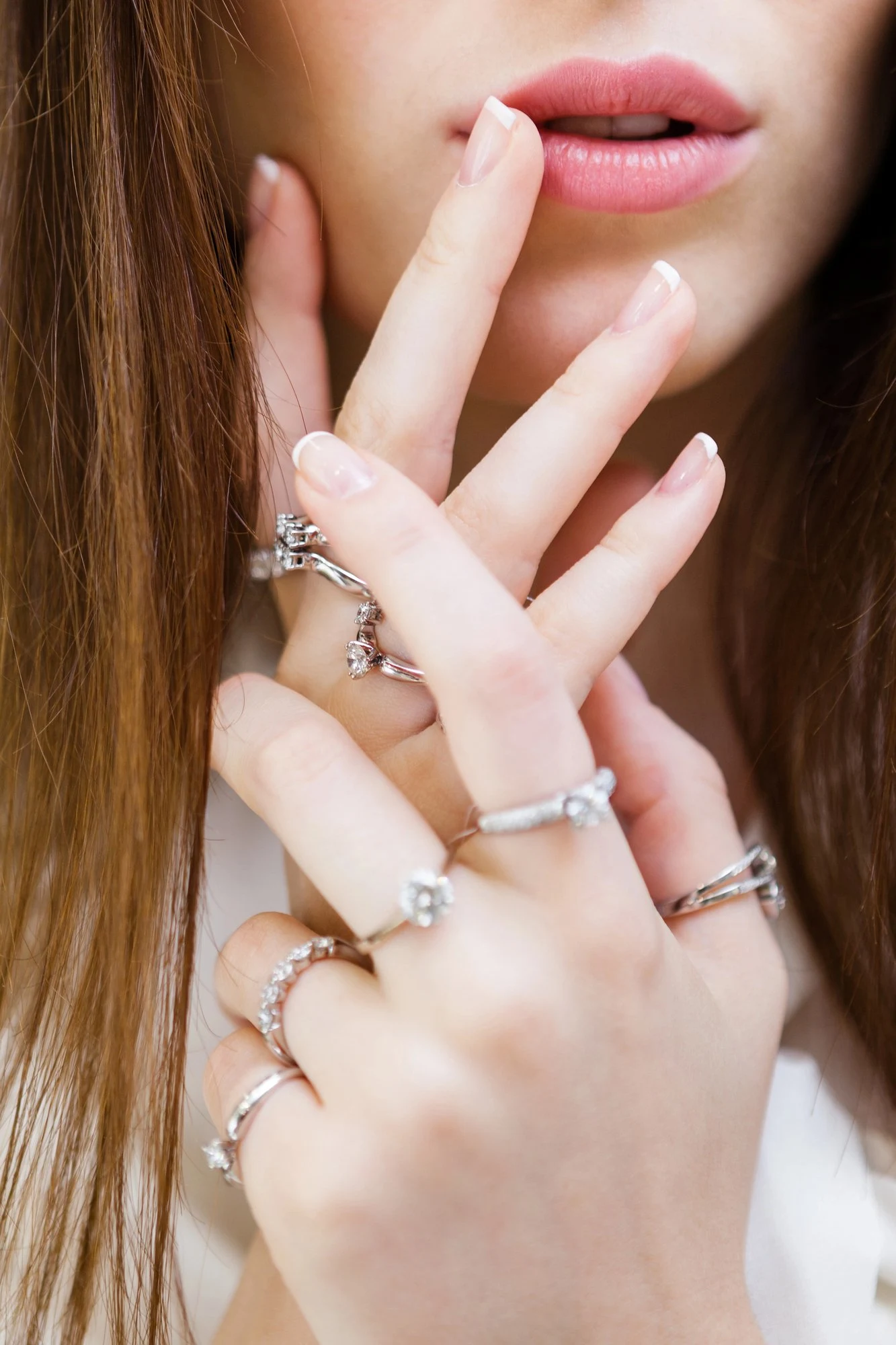
Gold can bring warmth to certain undertones, while silver and platinum often create a cleaner, cooler contrast.
Your undertone can also influence which gemstones feel most at home on you.
Cooler tones often pair beautifully with stones like sapphire or emerald, while warmer tones tend to look radiant with citrine or garnet.
Seasonal palette ideas can offer even more direction, connecting your natural coloring with metals that fit those themes.
It’s also worth paying attention to how your skin reacts to different metals, since chemistry varies from person to person.
How Mixed Metal Jewelry Works with Any Skintone
Even if you’ve figured out which metal suits you best, mixed-metal jewelry offers a flexible way to step outside strict rules while still looking polished. Blending warm and cool tones can create a balanced look that works well on every skintone, relying on contrast rather than a perfect one-metal match.
Here are a few simple ways to keep mixed metals looking cohesive:
- Begin with small pieces — Try stacking a gold and silver ring or mixing a few bangles to get comfortable layering without overwhelming your look.
- Choose a focal point — Pick one standout piece and repeat its metals in subtler accents to keep your style unified.
- Use gemstones thoughtfully — Neutral stones like clear, black, or smoky tones can help different metals blend together more seamlessly.
- Adjust with the seasons — Brighter, high-shine combinations feel fresh in summer, while darker or oxidized mixes work well in cooler months, as long as you maintain consistent jewelry care.