
Grey hairs really do stand out against your natural hair color, and it can be worrying whenever you spot your first greys. I know that when I first spotted the odd grey hair amongst my brunette hair, I did initially start plucking them out.
We pluck unwanted hairs in our eyebrows, or in other places we don’t want hair, but what happens when you start plucking your grey hairs out?
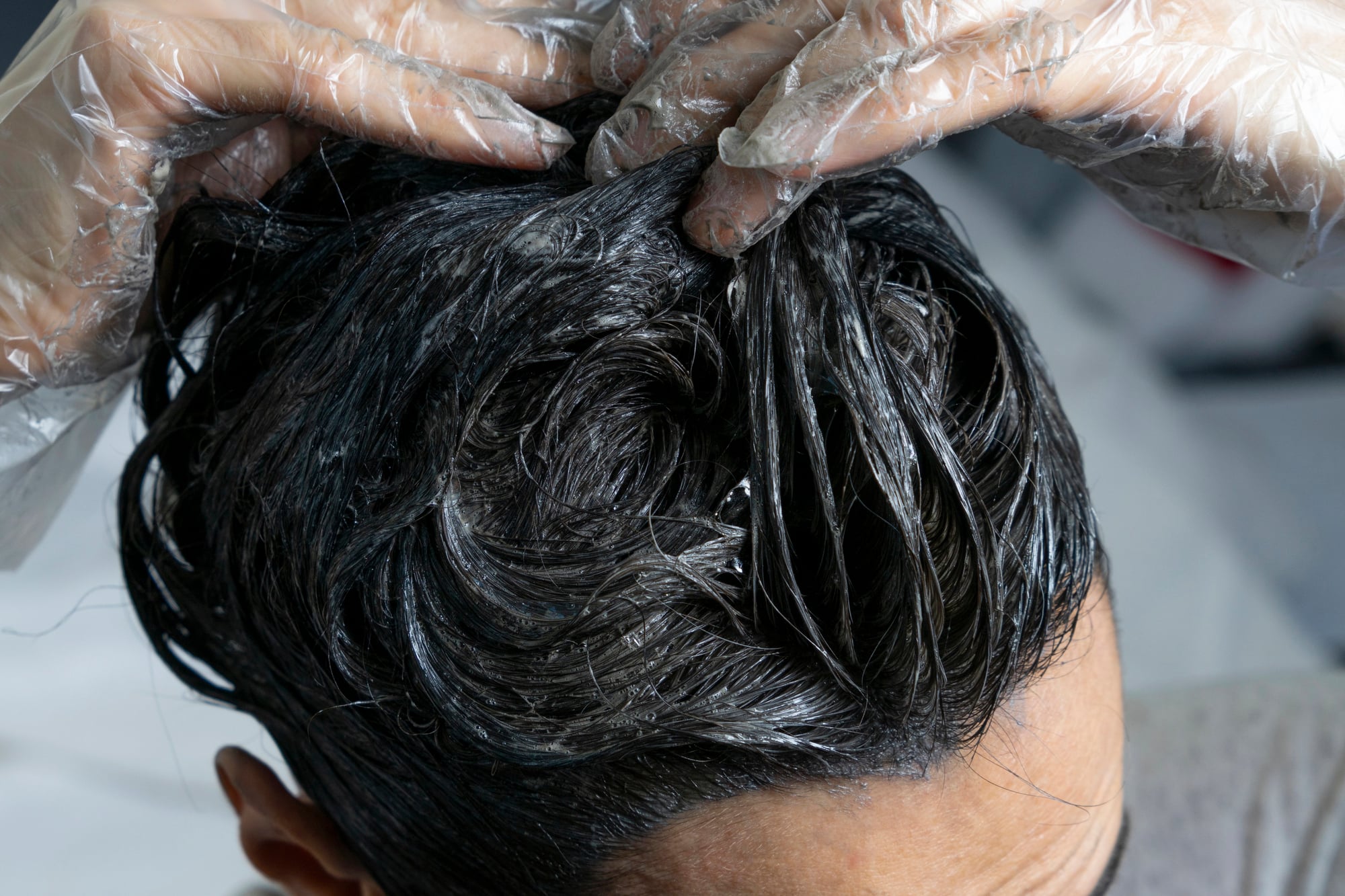
Why Grey Hair Can Seem More Noticeable Over Time
Grey hairs look more obvious over the years, and it’s not just because you’re getting more grey hairs.
Grey hairs contrast sharply with your natural hair color, and change how the light reflects off your hair. As you age, the cells that drive the hair pigmentation slow down, so new hair strands can emerge lighter, then fully grey or white.
You’ll also notice them more, because the pattern rarely spreads evenly in where they sprout out.
You’ll get a few scattered greys around your face, or along your parting which catch the light or show up in photos. Your genetics also influence when this shift starts, and how quickly it progresses.
Lifestyle changes can also have an affect on how many greys you get, like weight loss, new hairstyles, or using different hair products.
Can Pulling Out Grey Hair Damage The Follicle
While it is tempting to pull out an annoying grey but repeatedly pulling grey hairs can irritate and potentially damage your hair follicles.
Each of your hairs sit in a tiny pocket within your scalp, and aggressively plucking the hair can inflame that area on your scalp. Over time, this irritation can affect the health of your hair follicles, which makes your hair growth slower, weaker, or even non-existent.
You won’t ruin a hair follicle ‘pocket’ by a rare and gentle pull, but a habit of plucking the greys risks scarring and permanent hair loss in that area.
Can One Grey Hair Lead To More Grey Hair?
One silver or grey hair isn’t a trigger for more greys to appear, but it’s a sign of what’s happening beneath your scalp.
Grey hair genetics play the biggest role, and if your parents went grey early, you’re more likely to spot the first greys coming through sooner.
The melanin-producing cells inside each of your hair follicles control the hair pigmentation, and as the cells slow down or burn out, individual hairs grow in grey or white, but it doesn’t spread from one hair to another.
Stress can also impact the speed of loss of pigment, as well as poor nutritional factors, like low B12, iron or copper.
How To Deal With Grey Hair Without Plucking
Instead of yanking out your greys with a tweezers, you can manage your greys without damaging your scalp or hair health.
Look for a gentle hair dye, like a semi-permanent hair dye or an ammonia-free formula, or try highlights which will blend your hairs rather than fully cover them.
If you’d like to skip chemicals, you can try more natural remedies such as henna, indigo or coffee rinses, which will subtly deepen your color.
Make sure you prioritize nutritional health with protein, iron B vitamins, zinc and copper from foods like eggs, leafy greens, nuts and legumes. None of these will reverse your greys, but they can help slow down premature changes, and keep your hair stronger.
Chronic stress may accelerate greying, so try and focus on stress management habits like regular exercise, deep breathing or mindfulness.
Low tension hairstyles can also help, as well as regular trims, to keep both your pigmented and grey strands looking healthy.